 | |
| 1956 Chevrolet Bel Air Nomad |
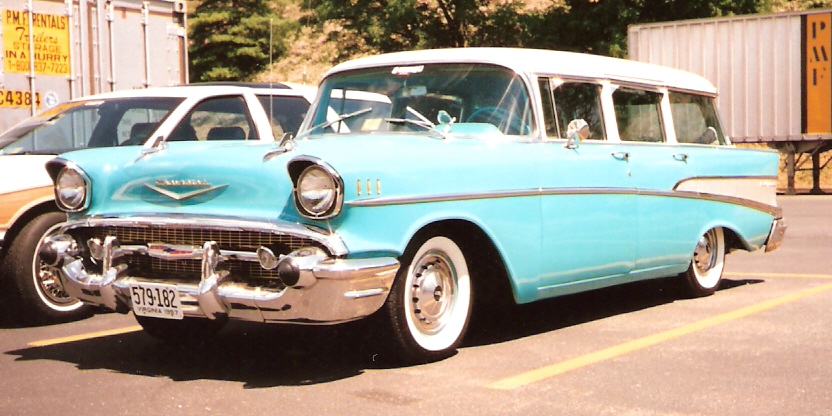 | |||
| 1957 Chevrolet Bel Air Townsman |
 |
| Mercedes-Benz W110 Manufacturer : Mercedes-Benz Production : 1961–1968 628,282 built Assembly : Sindelfingen, Germany Barcelona, Venezuela Port Melbourne, Australia Predecessor : Mercedes-Benz W120 Successor : Mercedes-Benz W115 Class : Executive car Vehicles: Mercedes-Benz E-Class |
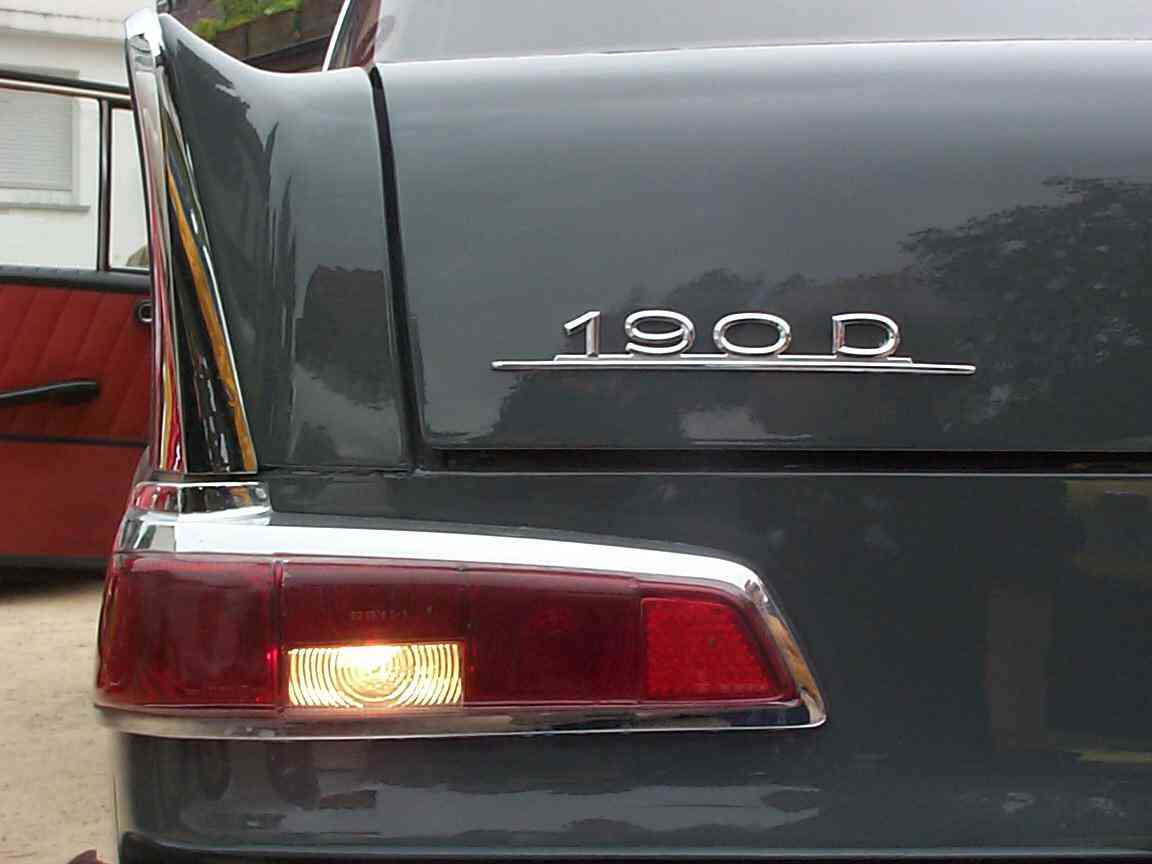 |
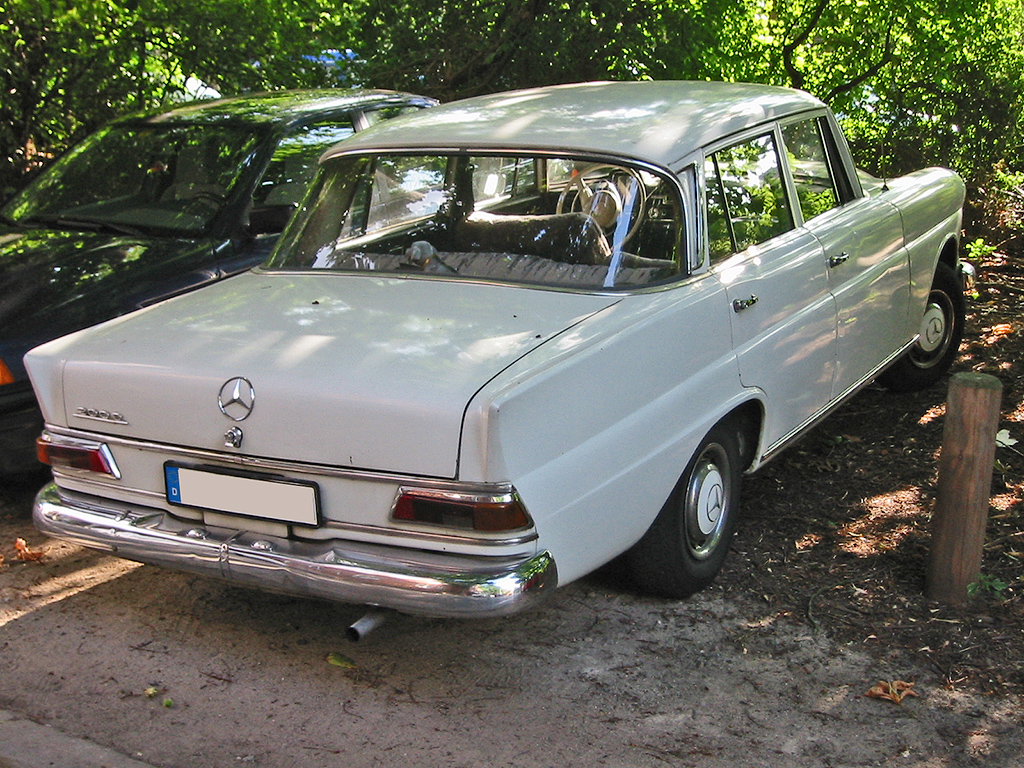
| First Series: 190c/190D Production: 1961–1965 Engine : 1.9 L M121 I4 1.9 L OM621 Diesel I4 |
 |
| Production : 1965—1968 Engine : 2.0 L M121 I4 2.3 L M180 I6 2.0 L OM621 |
 |
Mercedes 200 D 1967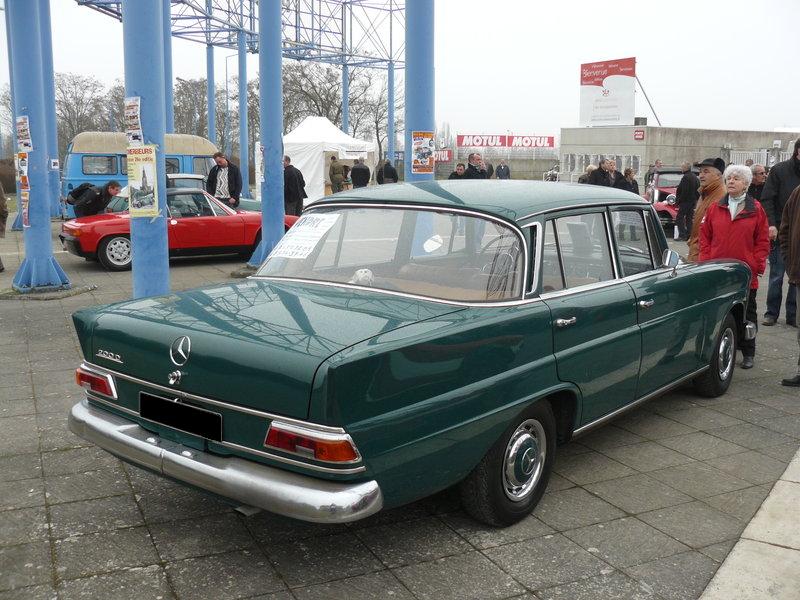 |
 |
FIAT 520
|
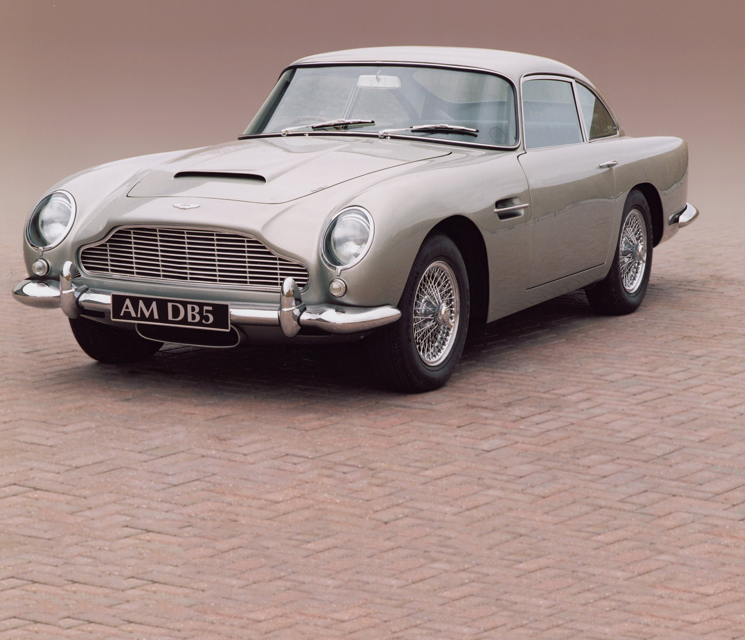
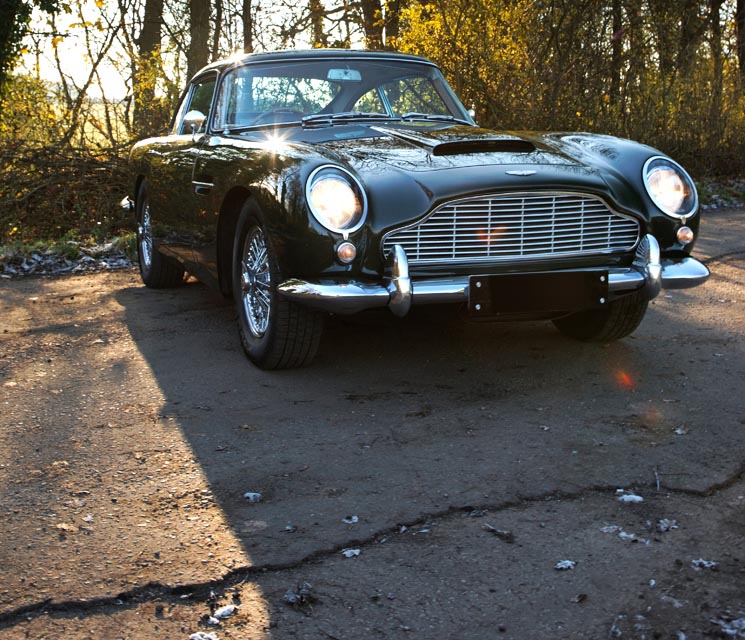


 |
Description:
Engine : 385 V8 Body Style: Sedan Miles : 50162 Stock #131548 Interior Color: Black Exterior Color : Maroon Certified Price: $49,900 Fully restored, sorted and beautiful this 1930 Lincoln series 183 5-passenger sedan was unusual new. Think about it – who bought a luxury car which hit the showroom floor at the same time of the stock market crash of ‘29? A rust free car which spent most of its life in storage and private collections, this multiple award-winning Lincoln is one of the nicest early luxury cars you’ll ever see. Henry Martyn Leland learned precision tool-making in the employ of New England arms makers during the Civil War, and brought those lessons with him to Detroit, where he began manufacturing machine tools and marine engines in the 1890s. In 1902, he was asked to sort out the affairs of a struggling new carmaker, and the resulting enterprise was renamed the Cadillac Automobile Company. William Durant bought Cadillac in 1909 for his General Motors empire. Bought new by Francis Hatch of Angola, NY, the car saw three years’ service in the Empire State before being driven to California in 1935. It saw seven more years of regular service before being stored in dry dock in 1942. The car saw the light of day again in 1965, when it was shipped to Wisconsin and became part of a significant collection of un-restored classics. Collector Gene Frayler (also of Wisconsin) bought the group in 1979, and sold this Lincoln in 1983 to its restorer, Clayton Maag of Leipsic, OH. His shop Leipsic Auto, has been restoring classics for more than 50 years, and they gave this clean, complete but tired luxury car the two-year restoration it deserved. Leland remained president of Cadillac until 1917 when, in a rancorous split with Durant over the production of aero engines for use in World War I, he left to start his own firm. He named the venture after the U.S. president he admired in his youth: Lincoln. With the war over and the company’s aircraft engine contract at an end, Leland and his son formed a new Lincoln Motor Company in January 1920 to manufacture cars. Clayton sold the car in 1991 to its last owner, Robert DiCarlo of Painesville, OH. Robert took the car to the 1991 Lincoln and Continental Owners Club meet in 1991 for pre-judging. He scored a 94.1 overall, justifying Clayton’s hard work. Robert took the score as a mission – he would make the grand old car even better. Through the following years he entrusted the car to Dave’s Auto Restoration in Jefferson, OH, and the local masters at Capaldi Enterprises in Painesville, OH. More than $20,000 was spent bringing the car to its current mechanical and cosmetic level, and that work resulted in a final score of 96.83 at last fall’s LCOC Eastern meet, now more than 25 years since its main restoration. Suffice to say the car’s holding up well! The first Lincolns arrived that September 1921 with a novel 60-degree V-8 engine and innovative fork-and-blade connecting rods that made truly parallel cylinder banks possible. Financial problems soon arose, however, and early in 1922, Henry Ford purchased the company. The Lelands stayed on, but disagreements with Ford led to their departures within months; Edsel Ford stepped in as the new president. No car is easier to restore than a clean, rust free and complete one, and this is where Clayton and crew started with this Lincoln. Where many restorations get sidetracked while looking for impossible pieces this car sailed along smoothly. The body is 100% original, as is the chassis, the driveline and the bulk of the interior. Look down the body at the classic, straight lines of the car. There were dents and dings to be sure, but not having to fill rust holes made for a quick and clean refurbishment of the panels. The original Black and Ascot Maroon scheme was replicated beautifully. New Lester 7.00×20 whitewall tires surround the original wire wheels enhanced by the original chromed center caps. Large 9” headlamps flank the original, restored grille shell and its shutters. Door handles and other pieces of bright-work were expertly restored. Dual rear-mounted spares ride above the restored rear bumper. The doors close solidly and with precision. The hood, held tightly with its spring loaded clamps, fits as it should. Edsel was good for Lincoln. Leland had created an outstanding chassis, but Ford had the taste needed to make the car look good. In 1925, Gorham silversmiths designed a chrome greyhound mascot for the radiator cap, molded using the “lost wax” process, a method that gives consistently fine detail. Rolls-Royce also used lost wax for its Spirit of Ecstasy. Edsel also enhanced Lincoln’s image by ordering custom bodies from the leading coachbuilders in lots of 10 to more than 100. This provided distinctive coachwork at a more reasonable price than one-of-a-kind custom bodies. Under the hood is the aircraft-derived 385ci V8 which developed 90hp. Acceleration is strong by 1930’s standards, and top speed is more than acceptable with the aftermarket Green overdrive unit underneath. The carburetor was removed, sent out for rebuilding and machining and was reinstalled atop the restored intake manifold. The ignition system was likewise restored and sports an NOS distributor cap. When the water pump failed, Capaldi reverse engineered and machined a new one – such is the level of detail keeping the car running. The motor fires immediately thanks to the low-pressure electric fuel pump and runs out smoothly due to its care and maintenance. Out of 3,222 1930 Lincolns produced, only 657 series 183 were produced during one of the company’s worst sales years. It weighs 5,180 pounds and rides on a 136” wheelbase – this was NOT a small car! Originally selling for $4,500, it wasn’t cheap, either – you could still get a basic Ford Model A roadster for $385! Inside you’ll find mohair seats matching the original colors exactly. Samples were taken from areas not affected by UV fading and sent to Bill Hirsch Auto in Newark, NJ. From the front seat you’ll find two changes from stock – the flooring is now carpeting and the overdrive controls sit behind the shifter. Aside from that the original dash holds the freshly restored and fully operational gauges, the door panels hold their restored window cranks and door handles, the original copper-colored taffeta window shades are present in the back, as are the two ‘occasional’ seats (jump seats) which allows a total of seven passengers to ride along. Counterweighted rear windows, opera lighting and grab sashes are among the few touches which make passengers in the rear feel like royalty!
Exotic and stately this Lincoln is truly among the best-of-the-best. From its excellent finish to its stellar “bones”, and national show history, this is a classic that’s equally at home in a museum collection or on the open road.
Basic Year 1930 Make Lincoln Secondary Make n/a Model Name L183 Secondary Model n/a Vehicle Type Passenger Car Hobby Segment Antique Mileage 50162 Engine / Transmission Engine Type Gasoline Engine Size 385 V8 Engine Number n/a Fuel Specification n/a Fuel Delivery System Type n/a Transmission Type 3 Speed Manual Transmission Spec n/a Transmission Number n/a Misc Entertainment System Type n/a Battery Location n/a Battery Shut Off n/a Battery Charger n/a Interior Interior Color Black Seating Type Bench Seat Material Cloth Shifter Type Column Center Console No Body Body Style Sedan Doors 4 Body Color n/a Paint Type n/a Stripes No Chassis Front Suspension Type n/a Rear Suspension Type n/a Axle Specification n/a Front Wheel Specification n/a Rear Wheel Specification n/a Front Tire Specification n/a Rear Tire Specification n/a Front Brakes Specification n/a Rear Brakes Specification n/a Spare n/a Exhaust Type n/a Muffler Type n/a History Restoration Status n/a Mileage Since Restoration n/a Awards Summary n/a Historical Documents Summary |


 |
Description:
Engine :ZZ502 V8 Body Style:Sedan Miles :15503 Stock #132202 Interior Color:Maroon Exterior Color:Dark Red Metallic They say that nothing succeeds like excess. With that in mind, we’re proud to present this killer 1940 Chevrolet deluxe coupe that has been given the full Pro-Street treatment. From the 502 cubic inch big block under the hood to the massive tires out back, this is an incredibly well built and sorted rod that can cruise the show field and hammer the track with equal skill. This car’s excess is truly addictive, as you won’t be able to resist tipping into those huge reserves of horsepower every chance you get. First off, this is a real, steel 1940 Chevy coupe, not a fiberglass reproduction, and that gives this rod an integrity and a feeling you just can’t duplicate with fiberglass, no matter how high the quality. Built by Zimco Fabrication in South Windsor, Connecticut, the original body’s lines were left largely unaltered, which gives this car a vintage elegance that you don’t get from one that has been chopped and channeled. It also makes it totally usable, with good headroom and excellent visibility, things that often get tossed out the window when tops get chopped. The body is all original steel except for the running boards and rear fenders, which were supplied by Chicago Fiberglass. “Fat fendered” rods are great for packing a lot of features and excellent road manners into a tidy package, and this car’s proportions are spot-on. The dark red metallic base has a lot of candy and metallic in it, and was applied over well-prepped steel. The car fits together beautifully, and all the panels are exceptionally straight. Ghost flames have been applied, with subtle blue, orange, and red licks that cover the nose of the car. It has been coated in several layers of clear for a miles-deep finish that’s completely seamless from end to end, in the very best hot rod tradition. Of course, hot rodding is about taking production pieces and giving them a unique look, so while some of the chrome on this car remains, select pieces have been given a matching coat of dark red metallic paint, including the grille, the vents on the sides of the hood, and the trim around the windows. The bumpers have been removed and the door handles shaved, while details like the King Bee “peep” style mirrors and billet windshield wipers have been added. The rear license plate has been frenched into the deck lid, and the flush-fitting taillights are all but invisible until they light up. Look closer and you’ll notice that the original 2-piece windshield has been replaced by a V-butt setup that looks like a single piece of glass for a subtle, but trick update thanks to Jeffries Autobody. Horsepower is compliments of a 502 cubic inch big block GM Performance Parts. Making 440 horsepower, it’s more than capable of snapping some necks when you stand on it (remember that this car originally came with a 216 cubic inch six cylinder making a whopping 85 horsepower). Holley supplied the 750 CFM 4-barrel carburetor living under the billet air cleaner, which matches the trick billet valve covers. And since this car was built to cruise, you’ll also notice smart upgrades like A/C, power steering, and a big alternator to power everything. Up front, there’s a custom 4-core radiator from Brassworks that’s cooled by a custom SPAL electric fan with thermostat and an Edelbrock aluminum water pump. Bitchin’ Products supplied the smooth firewall, which really cleans up the entire area. Highly detailed with polished stainless, brass, aluminum, and chrome, it’s a well-designed and arranged engine bay that makes servicing the big block easy (ever tried to change the plugs on, say, a late-model Camaro?). The big block is ably backed up by a TH400 3-speed automatic, which is about the most bulletproof automatic transmission ever conceived by the mind of man. Out back, there’s an equally tough 9-inch Ford that carries 3.73 gears on a limited slip, and has been narrowed to handle those large-by-huge Mickey Thompson meats. Denny’s Drive Shaft supplied the custom stainless steel drive shaft, and is more than up to the task of handling all that torque. There’s an independent Mustang II front end from Fat Man Fabrications, while the differential is held up with a modified 4-link setup that makes hard launches possible with a minimum of fuss. Disc brakes live at all four corners behind those super-traditional Weld Convo-Pro wheels that wear 205/60R15 Cooper touring radials up front and a set of massive 33×21.5-15 LT Mickey Thompson Sportsman M/Ts out back. I have to give two big thumbs-up to Al’s Interiors for creating this very traditional and authentic driver’s environment. The power seat is a split bench, which tilts forward to allow access to the back seat area. Done in red and white leather, it looks very appropriate to the 1940’s style and era, and the work was beautifully done. The original dash has been smoothed and filled, then stuffed with a complete set of modern Stewart Warner gauges, which use a retro font and arrow style that fits very well with the rest of the car’s character. A fresh billet steering wheel is wrapped in matching white leather, and sits atop a tilt Ididit steering column with Borgeson U-joints. There’s a Hurst shifter on the floor, and the seat has been skillfully molded to clear the mini console constructed to hold it. Overhead, a matching red leather headliner has been stitched up, and matches the red carpets underfoot. Controls for the Vintage Air A/C and powerful entertainment system are in the center console, while vents have been discreetly installed under the dash. Billet touches abound, tying the interior into the engine compartment, and the doors, windows, and locks are all power actuated. The remote pops the doors open, and if you happen to lock your keys in the car, a hidden switch opens the window for access (for obvious reasons, we’ll show the new owner where the switch is hidden, but will refrain from mentioning it here). Documentation is all that you would expect from a top-end rod, including build photos, receipts, and instruction manuals to give a new owner the confidence that this is a high-quality piece.
It’s awfully easy to go too far with a custom built car. Outrageous components, spectacular paint, and 1000 horsepower engines are common, But if you want to actually drive your rod, you need a reliable, sturdy platform and power train. This 1940 Chevy coupe has exactly that; it is fully sorted and ready to go today. The bugs have been worked out, and it drives and handles properly. It’s safe and comfortable, and still monstrously fast. And speaking from personal opinion, I also think it’s one of the best-looking fat-fendered rods out there, with tidy proportions and crisp detailing. This is one that will still draw appreciative crowds anywhere you park it, but more importantly, will make you smile whenever you’re behind the wheel.
Basic Year 1940 Make Chevrolet Secondary Make n/a Model Name Deluxe Secondary Model n/a Vehicle Type Passenger Car Hobby Segment Pro-Street Mileage 15503 Engine / Transmission Engine Type Gasoline Engine Size ZZ502 V8 Engine Number n/a Fuel Specification n/a Fuel Delivery System Type n/a Transmission Type 4 Speed Automatic Transmission Spec TH400 Transmission Number n/a Misc Entertainment System Type n/a Battery Location n/a Battery Shut Off n/a Battery Charger n/a Interior Interior Color Maroon Seating Type Bucket Seat Material Leather Shifter Type Floor Center Console No Body Body Style Sedan Doors 2 Body Color Dark Red Metallic Paint Type n/a Stripes No Chassis Front Suspension Type n/a Rear Suspension Type n/a Axle Specification Ford 9" 3.73 Front Wheel Specification n/a Rear Wheel Specification n/a Front Tire Specification n/a Rear Tire Specification n/a Front Brakes Specification n/a Rear Brakes Specification n/a Spare n/a Exhaust Type n/a Muffler Type n/a History Restoration Status n/a Mileage Since Restoration n/a Awards Summary n/a Historical Documents Summary n/a |


 |
Description:
Engine: 186.5 V6 Body Style: Sedan Miles :41446 Stock #131503 Interior Color: Gray Exterior Color : Blue Certified Price: $29,900 OK Excitement Division lovers, do you know where your car company started? Yes, you proud owners of Firebirds, Trans Ams, GTOs and Bonnevilles owe your heritage to this car, a new model from a new make: Pontiac. This expertly restored 1926 Series 6-27 is a time capsule which stands as a noble elder to the models rolling out of Poncho factories today, more than eighty years after its construction! This beautiful 6-27 wears Bambolina Blue with its black counterpart. The body, made of steel cladding over a wood frame, is in excellent condition with clean, shiny paint. The original wood spoke wheels are in excellent shape, refinished with a clean coat of varnish, and wear their re-chromed original Pontiac center caps. New Coker whitewalls (4.75/500-20) are the only choice for a car like this. The headlights and taillight are in excellent shape, and the show stealing and CORRECT 1926 nickel and copper Indian head radiator ornament is as nice as you’re likely to find anywhere. The doors close solidly and the replacement laminated glass is in excellent shape. Its formal shape contrasts sharply with cars of today, but its construction involved more carpenters than panel beaters. That big square roofline with its new, correct padded top allows ample headroom and was a welcome alternative to leaky canvas tops on most cars. The advertisements started appearing on October 3, 1925, when an ad appeared in the Saturday Evening Post stating a new General Motors automobile would be produced and distributed by the Oakland division in addition to the higher line Oakland Six. On January 9, 1926, another advertisement appeared in the Saturday Evening Post in which the name of this new automobile was revealed. It would be called the Pontiac, after, as General Motors put it, “the greatest Indian Chief who ever appeared on the American continent.” The car was labeled the “Chief of the Sixes”, referring to its 6-cylinder motor. Poke around underneath and you’ll see a beautifully restored example of a bygone era. While fully functional, you’ll be glad that era is over – a three speed non synchro transmission, external strap drum brakes on the rear only and wood floors aren’t items you’ll likely find on a modern commuter car! The steering, braking and suspension systems were all taken apart, restored and reinstalled. The car drives well, stops well and turns as it should – during the city driving it was intended for the car is easy to manage and quite tractable. There’s a new six volt battery in place under the driver’s seat, the floorboards and running boards are in excellent shape and the The ’26 Pontiac was the result of GM Chairman Alfred P Sloan’s marketing strategy of an automobile for “every purse and purpose" in which he created a distinct hierarchy from Chevrolet to the Cadillac. Oakland was charged with producing the new car because the market for expensive 6 cylinder cars had been “soft” for several years and Sloan believed that Oakland dealers would benefit from increased show room traffic with the offering of a lower-priced 6 cylinder model. The only failure of Sloan’s plan was that the Pontiac didn’t prevent Oakland from going under; the company officially became Pontiac in June 1932. The interior is awash in wide, comfortable corduroy. Coach models such as this feature a dome lamp, and both front seats tilt forward to allow access to the rear seat area. There’s the original wood wheel in front of you and an agate shift knob on the three speed stick next to you. Set the dash mounted choke, step on the floor mounted starter switch and allow the engine to settle into a muted whirr. The carpet is in great shape, the door panels are excellent, the gauges and gauge lights work as they should and there’s simply an air of “newness” in this octogenarian automobile. Undo the clasps on the bonnet and have a look inside at the very simple, stout engine. The “smoothness” raved about in the brochure isn’t just marketing hype – the idle, takeoff and cruising speed vibration is very low. The newer single exhaust softens the exhaust note to a whisper. Those are new spark plugs, a freshly tuned carburetor and more in the compartment; the car’s ready for a drive.
This is a museum quality, significant and very attractive vehicle. In fact, it’s one of the nicest 1926 Pontiacs on the planet – we can’t image one nicer! From its heritage to its drivability, it would be hard to find another first year Pontiac that looks and works as well as this car does!d caption
Specifications:
Basic Year 1926 Make Pontiac Secondary Make n/a Model Name 6-27 Secondary Model n/a Vehicle Type Passenger Car Hobby Segment Antique Mileage 41446 Engine / Transmission Engine Type Gasoline Engine Size 186.5 V6 Engine Number n/a Fuel Specification n/a Fuel Delivery System Type n/a Transmission Type n/a Transmission Spec n/a Transmission Number n/a Misc Entertainment System Type n/a Battery Location n/a Battery Shut Off n/a Battery Charger n/a Interior Interior Color Gray Seating Type Bucket Seat Material Cloth Shifter Type Floor Center Console No Body Body Style Sedan Doors 2 Body Color n/a Paint Type n/a Stripes No Chassis Front Suspension Type n/a Rear Suspension Type n/a Axle Specification n/a Front Wheel Specification n/a Rear Wheel Specification n/a Front Tire Specification n/a Rear Tire Specification n/a Front Brakes Specification n/a Rear Brakes Specification n/a Spare n/a Exhaust Type n/a Muffler Type n/a History Restoration Status n/a Mileage Since Restoration n/a Awards Summary n/a Historical Documents Summary |


 |
Description:
Engine :n/a Body Style: Sedan
Miles : 28761
Stock # 131886 Interior Color : Tan Exterior Color : Black Certified Price: $24,900 When I was a kid, my father always longed for an older car that he could drive every day. He liked how cars like this 1940 Dodge sedan looked and didn’t care so much about air conditioning and stereo systems. Eventually he found a 1941 Buick Super coupe that became his daily driver for years, even in the dead of Cleveland winters, until a drunk driver sent it to the big junkyard in the sky. I bring this up because it’s all too easy to forget that cars like this Dodge WERE daily drivers for decades for hundreds of thousands of people, and they worked just fine, day-in and day-out. They don’t need modern engines and suspensions to be capable and reliable, and there is definitely a charm to driving a car like this one and getting the experience of what it might have been like when, say, your grandfather bought his first car. This car is exactly what my father typically had in mind when he set out searching for a driver. A very presentable, straight body, gorgeous fresh interior, and 100% reliable mechanicals, all wrapped in a reasonably-priced package that won’t break the bank to acquire. I think a lot of folks forget that part of the fun of having old cars is driving and enjoying them on the road as they were when new. Guys say their modified hot rods drive like ½-ton pickups, but if I wanted something that drove like a truck, I’d drive my truck. What I don’t have is a car that drives like a 1940 Dodge, and that’s a ton of fun in its own right. This car received a decent restoration in the early 2000s, and has been driven very little since. The black body was obviously straight and with very little rust to begin with, making for an easy restoration. The floors are solid, both in the passenger’s compartment and the trunk, and the body is clean. That is single stage paint on there, which is perfect for black because you can easily buff it to a high shine and it gives the car a more authentic, original look than a clear coat system might. Body gaps are good all around and there are very few signs of use suggesting that this car has lived in a garage since it was restored. I would guess that the body has been wet sanded and buffed judging from the smoothness of the finish, and our own techs put a shine on it that will make much pricier cars envious. There are a few signs of repaired paint runs in the paint, but the work was expertly done and not objectionable. The overall effect is a tidy, presentable, drivable, showable car that you will be proud to own. The chrome and other stainless bright work on this car has also been restored. From the intricate front grille, to the cool bezels around the headlights that also incorporate parking lamps, to the big chrome bumpers front and rear, there’s recent plating that looks deep and lustrous. You’ve probably also noticed the stainless steel strips that run the length of the hood with cool red-painted hash marks that really pop against the black body. And dig that ram hood ornament that has been very well restored – these were often made of a zinc-based “pot metal” that tended to pit and corrode easily, making them incredibly difficult and expensive to restore. The fact that this one looks so great suggests that the restorer spent a lot of money having the chrome repaired and refinished. You’ll also note that this car sports a pair of front bumper guards that were period accessories designed to protect the front fenders. The fog lights are aftermarket replicas of original period accessories, and have been wired to operate as the front turn signal indicators for the aftermarket system attached to the steering column. The glass in the car has been replaced, and it’s all easy-to-cut flat glass that looks original. However, the rear window is curved, and is OEM glass since I doubt anyone is making reproductions for these cars. The engine is Dodge’s famous 218 cubic inch flathead six cylinder making 87 horsepower, which was pretty good considering that Buick’s 248 cubic inch overhead valve straight-8 was making only 110 horsepower that same year. Combined with tall gears in the rear differential, it managed to move this car around town with some vigor, although highway cruising is best limited to speeds under 60 MPH due to these tall gears. The engine in this car has been rebuilt and spins to life easily using a foot pedal that triggers the starter motor. It idles easily with a pleasant mechanical sound that is sadly absent from today’s cars – it sounds like a precision machine, which is exactly how an engine should sound. The exhaust is quiet with a distinct sound under throttle, although the muffler looks modern and not OEM. The engine bay was restored to a very nice standard when the rest of the car was reworked, with all the correct details in place: cloth wiring harness, fabric-wrapped radiator hoses with wire clamps, and the correct gray paint on the engine itself. The only out-of-place item might be the modern wiring and wire ties for the aftermarket turn signal system wired into the front fog lights, but that’s easily concealed. The correct oil bath air cleaner is perched on top of the single-barrel downdraft carburetor, and there’s an oil filter on the other side of the block. Correct decals for the air cleaner, and replica serial number plates on the firewall finish the factory fresh engine compartment. And yes, those giant horns work – they’re LOUD. The engine is backed by a 3-speed manual transmission with the shifter mounted on the column. “3 on the tree” was a relatively recent invention in 1940, and was state-of-the-art in terms of comfort and convenience back then. The shift mechanism on this car has been set up properly and glides through the gates easily. The rest of the chassis is pretty much as the factory made it. Sure, there are guys who hyper-detail their undercarriages when they restore cars like these, but evidence suggests that these cars were assembled and then the entire chassis was just sprayed with a coat of chassis black paint for a uniform appearance. The hydraulic brakes have been rebuilt and have a firm pedal. It’s difficult to tell when the lever-action shock absorbers are operating, since they were marginal at best when new, but these appear to be in good condition with no leaks. The single exhaust system is in good condition. The wheels are 16-inces in diameter wearing 6.00-16 BFGoodrich Silvertown wide whitewall bias-ply tires. And check out those gorgeous wheel covers – they’re actually 3 pieces, a center, the intermediate rim with the fins, and then an outer trim ring. The interior is another treat. Fully restored in the original Bedford cord fabric, it was covered with blankets when we first got the car, suggesting that someone went to extra lengths to take care of it. The headliner, door panels, carpet and seat covers are all new and show very little evidence of use. The dashboard is steel with a woodgrain pattern painted on it (this is authentic – most cars of this vintage used wood grained metal dashboards), and the gauges look to be original, including the very cool speedometer with a needle that rotates around the face like a phone dial. The Bakelite steering wheel has obviously been recast (they rarely survived, and never in perfect condition like this), and all the knobs and handles throughout the interior have been restored. There are new rubber seals throughout, and new windlace around the door openings. The trunk has also been reupholstered with a mixture of the correct fabric and a carpeted mat on the floor. There’s a fifth matching wheel and Silvertown tire back here as well. And just in case you need to reference something for repairs, this car includes a 1940 Dodge Passenger Car Shop Manual.
The really great thing about this car is that you couldn’t duplicate a restoration like this for what we’re asking for the entire car. It’s ready to drive and enjoy, you can take your entire family with you, and it will be a reliable, comfortable runner for years to come. Don’t let people tell you that old cars aren’t reliable – they were daily drivers when they were new, my father drove one daily in the 1980s, and cars like this are so anvil-simple that keeping them running is pretty much only a matter of putting gas and oil in them. Parts are plentiful and cheap, and there’s nothing else that feels like a vintage car like this ambling down the road making its traditional sounds. In fact, all those reasons, plus the fact that my father had one when I was a kid, is why I sold my hot rod and bought a 1941 Buick of my own to restore to stock condition. Don’t overlook the fun you can have at 45 MPH on a car with skinny bias-ply tires and a tube-fired AM radio. You might just be surprised by how wide your grin is every time you drive it. Call us today, because I’m betting this one won’t last long.Add caption
Specifications:
Basic Year 1940 Make Dodge Secondary Make n/a Model Name Deluxe Secondary Model n/a Vehicle Type Passenger Car Hobby Segment Antique Mileage 28761 Engine / Transmission Engine Type Gasoline Engine Size n/a Engine Number n/a Fuel Specification n/a Fuel Delivery System Type n/a Transmission Type 3 Speed Manual Transmission Spec n/a Transmission Number n/a Misc Entertainment System Type n/a Battery Location n/a Battery Shut Off n/a Battery Charger n/a Interior Interior Color Tan Seating Type Bench Seat Material Cloth Shifter Type Column Center Console No Body Body Style Sedan Doors 4 Body Color n/a Paint Type n/a Stripes No Chassis Front Suspension Type n/a Rear Suspension Type n/a Axle Specification n/a Front Wheel Specification n/a Rear Wheel Specification n/a Front Tire Specification n/a Rear Tire Specification n/a Front Brakes Specification n/a Rear Brakes Specification n/a Spare n/a Exhaust Type n/a Muffler Type n/a History Restoration Status n/a Mileage Since Restoration n/a Awards Summary n/a Historical Documents Summary n/a www.rkmotorscharlotte.com |


 |
| Description SpecificationsDesignated Full Classic 358 cubic inch straight eight cylinder engine Restoration receipts included with sale Correct single stage paint 3-speed manual transmission Original floors Four wheel brakes Engine : Straight 8 Body Style: Sedan Miles: 47216 Stock #132118 Interior Color: Blue Exterior Color: Packard Blue Certified Price: $45,900 In the 1920s, it was not unusual for a person of means to own several cars for various purposes and to have a full-time driver on staff to maintain and operate them for him. We’ve all seen the elegant open-front town cars and massive limousines of the era, usually carrying glamorous, well-dressed passengers. The Packard Motor Company was just finding its true calling in 1924, when they introduced the new straight-8 engine that replaced the mighty (and expensive) twin-six V12. Just as powerful and almost as smooth, the straight-8 became the foundation of their high-end chassis until 1932, when the Twelve was again introduced. This 1925 Packard 2-36 coupe is a beautifully restored Full Classic (note the capital C more on that in a moment) that is ready to drive and tour today. The body is a very interesting design, and directly correlates to those rich folks I was talking about in the opening paragraph. While limousines and town cars were acceptable for some, there were others who felt that the big cars were just too, well, BIG. Frequently, these people were women, and they wanted something a little more personal and easier for their drivers to maneuver through the busy streets. Body designers were quick to develop these close-coupled coupes with luxurious back seats for these customers, but on shorter wheelbases and with the driver sharing the same compartment. Nevertheless, you can still see there’s a marked difference between accommodations up front and those in the rear. There’s a full sized seat for the driver, but little more than a collapsible jump seat for a front seat passenger, primarily designed to permit easy access to the rear area, with comfort being a secondary concern. The restoration on this Packard is several years’ old, now sporting excellent patina and signs of outstanding maintenance. The deep, blue paint on the body is very good, complimenting the black fenders and top. Most likely done in lacquer or enamel, the single stage paint is absolutely the correct choice for older cars where modern 2-stage urethanes are simply too shiny and glossy to look authentic. As with most restorations, particularly those of cars of this vintage, assembly and panel alignment are very good, although if you’re expecting 2010-style fit, you’ll be surprised. With a wood-framed body, these cars do not fit together or seal like modern vehicles, but you’ll be charmed and amazed by the solid feeling of closing a door, which feels more like a solid wooden door in your home. That dashing, long hood fits extremely well, and shows little wear on the piano-style hinge along the top, which is where all cars of this vintage first start to show their age. Out back, the trunk lid seals tightly and provides access to a reasonably-sized storage area. Running boards have been restored, and I’m going to trust that the restorer did his proper homework on the material used, because as a high-end luxury car, anything the customer wanted was possible, although I’ve never seen this material used before. The grille, lights, and bumpers have been chrome plated, most likely for durability and ease of maintenance, because cars of this vintage typically sport nickel plating (chrome came into widespread use in 1928 or 1929). While the nickel is correct, it’s also a bother to polish and never gets quite as shiny as chrome, and I don’t see a penalty here for choosing the low-maintenance solution that still looks excellent. The massive drum-style headlights are correct, and feature fluted lenses that look beautiful on or off. Accessory driving lights have been added above the front bumper, and considering today’s driving environment, the more lighting you can have, the better. Packard script appears on the radiator itself, and the radiator ornament is simple and understated, with a built-in moto-meter for keeping an eye on coolant temperature. Remaining trim pieces have been expertly polished and look very age-appropriate with just the right amount of patina to them. The glass is excellent, and since it’s all flat and easy to reproduce, I’m going to assume it was all replaced at the time of restoration with brand new pieces, because 85-year-old glass just doesn’t look that good. The leather top is excellent and looks highly correct, with the proper grain and installation. The engine would become Packard’s foundation for all the eight cylinder motors built well into the 1950s, and in 1925 it displaced 358 cubic inches and made a very respectable 80 horsepower (although the factory only rated it at 36.4 horsepower on the then-current SAE scale). Fully rebuilt by Owenby with fresh babbit bearings by Babbit Pot, the engine is bathed in traditional Packard green, with polished acorn nuts on top holding the head in place. The original vacuum tank is still in place on the firewall and feeds an original Packard updraft carburetor, which is virtually impossible to replace, although reproductions are now available for somewhere north of $2500 each! Those long manifolds are in excellent condition, thanks to porcelainizing by Prairie Porcelain and show no signs of leaking. Someone has thoughtfully wrapped the single exhaust pipe in thermal tape, ostensibly to help prevent vapor-lock in the vacuum-style fuel system, particularly with today’s fuels. The water pump features modern seals so you don’t have to keep repacking it as they did in 1925 (but that’s why you hired the full-time driver/mechanic, right?). The engine starts easily and ticks over at something like 400 RPM with incredible smoothness. With a long 5-inch stroke, it doesn’t like to rev, but that same long stroke makes mountains of torque, and Packard often advertised that their cars would go from 5 MPH to top speed in high gear without stuttering or hiccups. While not designed for highway travel (with 4.70 gears in the differential and direct drive in 3rd gear), this car should easily run at 45 MPH all day without worries, and Packard’s reputation for reliability is not a legend these cars run well and run forever. The transmission is a 3-speed manual, and in 1925, there were no synchronizers on the transmission, which means that double-clutching is mandatory. Fortunately, the gearbox in this Packard is nicely weighted and appreciates smoothness and speed in your actions hesitate and the gears will grind, but move decisively and you’ll wonder why you need synchros in your modern car. The frame is a positively massive piece of structural steel, and the wheelbase spans a mammoth 136 inches (the 36 part of the 2-36 model designation, with the 2 standing for Second Series, since this was the second year of the Packard Eight). The exhaust system is a faithful reproduction by Keipich, and the rear axle features modern seals. Packard was also one of the first manufacturers to put 4-wheel brakes on their cars, and this one features mechanical externally contracting brakes at all four corners. Plan your stops and leave lots of room, because these are not modern binders, but in use they are strong, predictable, and do their job well considering this car probably weighs somewhere north of 4500 pounds. Disc wheels were standard on 1925 Packards, and the split rims wear relatively recent 6.00-23 Lester wide whitewall tires that really make the car sparkle. The interior was obviously restored at the same time as the rest of the car, and has aged well, showing little evidence of wear. Blue velour is probably not correct for the vintage (I would expect a wool broadcloth), but it looks good and the stitching and patterns are authentic enough. Snyder’s restored the positively gorgeous wooden steering wheel, and the garnish moldings and dashboard have been refinished to match. Interior handles and knobs carry the correct nickel finish, which has a lovely soft glow to it that only age and careful polishing can produce. The original aluminum and wood floorboards are still in place, and you can probably easily imagine yourself stretching out in that surprisingly roomy back seat. Documentation includes a ton of original Packard factory literature, including advertisements and sales brochures. We also have a pile of receipts from the restoration and recent service work. This isn’t the kind of car you buy on a lark because you’re just browsing. Packard collectors understand the importance of an early Eight. Restored to a good standard and now ready to tour and attend casual shows, it’s an ideal car for the Packard collector who thinks he’s seen everything. And it is indeed a Full Classic, as designated by the Classic Car Club of America, a very exclusive club where only the very finest cars are identified as Full Classics and eligible for vintage caravans and shows around the world. This is a fine car, and if I have my way, RK Motors Charlotte will start carrying a lot more cars like this in the future. Call us now!
Specifications:
Basic Year 1925 Make Packard Secondary Make n/a Model Name 2-36 Coupe Secondary Model n/a Vehicle Type Passenger Car Hobby Segment Antique Mileage 47216 Engine / Transmission Engine Type Gasoline Engine Size Straight 8 Engine Number n/a Fuel Specification n/a Fuel Delivery System Type n/a Transmission Type 3 Speed Manual Transmission Spec n/a Transmission Number n/a Misc Entertainment System Type n/a Battery Location n/a Battery Shut Off n/a Battery Charger n/a Interior Interior Color Blue Seating Type Bench Seat Material Velour Shifter Type Floor Center Console No Body Body Style Sedan Doors 2 Body Color Packard Blue Paint Type n/a Stripes No Chassis Front Suspension Type n/a Rear Suspension Type n/a Axle Specification n/a Front Wheel Specification n/a Rear Wheel Specification n/a Front Tire Specification n/a Rear Tire Specification n/a Front Brakes Specification n/a Rear Brakes Specification n/a Spare n/a Exhaust Type n/a Muffler Type n/a History Restoration Status n/a Mileage Since Restoration n/a Awards Summary n/a Historical Documents Summary n/a www.rkmotorscharlotte.com |


Source: google.com via Tim on Pinterest

Source: youtube.com via Tim on Pinterest

Source: youtube.com via Robin on Pinterest


