Showing posts with label Convertible. Show all posts

Sunday, October 21, 2012

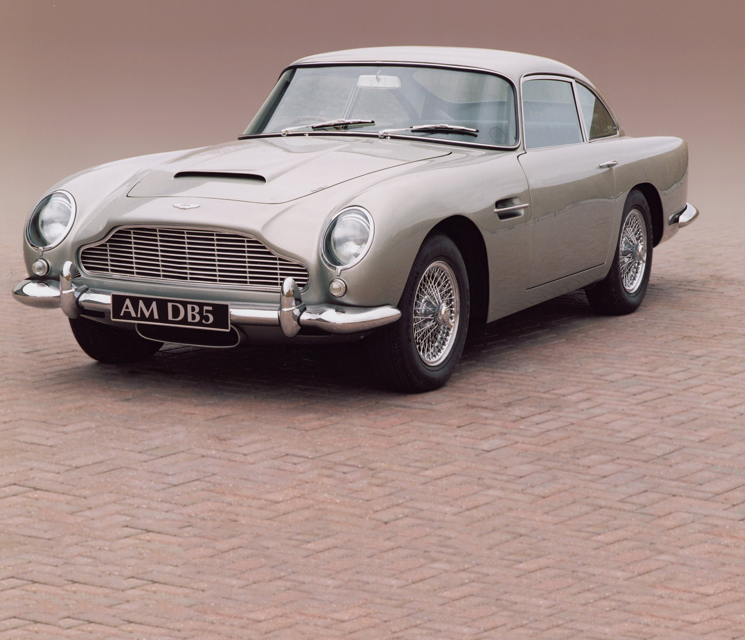
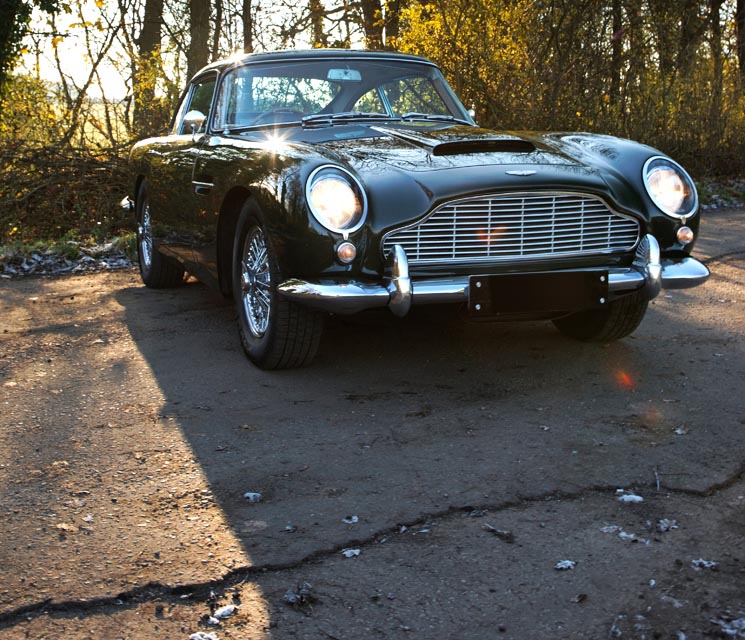
DB5 & DB5 CONVERTIBLE


DB5
Often billed as the “most famous car in the world”, James Bond’s gadget laden Silver Birch DB5 in Goldfinger became many a schoolboy’s dream. Regarded by many as the most beautiful Aston Martin produced, the DB5 shares many similar traits to the DB4. However, DB5’s most substantial change occurred under the bonnet.

The engine capacity was enlarged to 4 litres by increasing the bore to 96mm. The car had three SU carburettors, as fitted to the outgoing DB4 Vantage, and also shared the latter’s fared in headlamps. Significant too was the introduction of a full synchromesh ZF 5 speed gearbox.
Enhancements


DB5 CONVERTIBLE


Compared to the DB4, chassis changes included the adoption of the Girling disc brakes that had only been used on the DB4GT, along with 15” wheels. Many other improvements were incorporated including electric windows and twin hydraulic brake servos.

A DB5 Vantage was offered with 3 Weber carburettors and different camshafts to offer a higher level of performance.

A Convertible was also offered which was available with an optional steel hard top. A small number of DB5s were built as ‘shooting brakes’, a sportsman’s interpretation of a modern ‘estate’ car, by coachbuilder Harold Radford.


Specifications:
Price New: £ 4,175 (Saloon), £ 4,490 (Convertible)
Engine: DOHC Straight six, 3995 cc, 382 bhp @ 5500 rpm
280 lbs-ft @ 4500 rpm
Transmission: 5-speed ZF box or optional Borg-Warner 3-speed automatic
Suspension: Front: Telescopic shock absorbers
Rear: Double acting lever arm shock absorbers
Brakes: Girling Twin servo assisted brakes with front and rear solid discs
Dimensions (LxWxH): 4570 x 1676 x 1320 mm (Saloon), 4480 x 1676 x 1322 mm (Convertible)
Weight:  1468kg
Top Speed: 142 mph
0 – 60 mph: 7.1 sec
www.astonmartin.com

Aston Martin

1998
Aston Martin DB7
1998 Aston Martin DB7 Volante


Description:

Engine : n/a
 Body Style: Convertible
 Miles : 57683
 Stock #CN10184
 Interior Color: Silver
 Exterior Color : Silver
Certified Price: 34,900


The most beautiful car in the world, and possibly the most beautiful car ever built. That’s a weighty title but the Aston Martin DB7 is well up to the task. Flowing lines form an achingly gorgeous silhouette which is tightly wrapped around its mechanical components—a car like this simply could not be built today, a mere fifteen years after its introduction. Produced in both coupe and convertible form these cars will be standard bearers for generations to come. Expensive new and still highly exclusive this 1998 DB7 Volante is an instant front-of-the-line pass for social events worldwide.

With this car you simply must start outside—it turns heads for the right reasons. Unlike brasher supercars or more showy sports cars, the DB7 oozes class, its unmistakable style marking you out as someone with exquisite taste. Cumberland Gray covers the exterior surfaces and matches the stately persona of the car. Free from defects and in excellent condition the paintwork looks considerably younger than the 10 years old it is. New Bridgestone Potenza Pole Position S02 tires wrap around the original wheels. Lights and lenses are in excellent shape as are the badges and chrome trim. The top is neither torn nor discolored and the mechanism functions as new. The glass is original and in excellent condition. This is an exclusive car amongst exclusive cars: Only 240 were imported in 1998, coupe or Volante. Aston typically produces its cars in low volume and the price tag north of $150,000 certainly shortens the buyer list considerably.

The DB series was named after Sir David Brown (the head of Aston Martin from 1947–1972). He was a natural adventurer who owned race horses, played polo, raced cars and motorcycles, and was a qualified pilot. In 1947, Brown saw a classified advertisement in The Times, offering for sale a High Class Motor Business. Brown acquired Aston Martin for £20,500 and the rest is history.

The powerful supercharged inline six and smooth five-speed manual transmission make the DB7 a relaxed cruiser with the potential to turn into a very fast cross country machine should you chance upon a clear country road. You’ll find the original engine under the bonnet, hand built and serialized on a plaque on the cam cover. Wiring, plumbing and other distractions are hidden under side covers or tucked out of the way. The powerplant gives this car superb speed, with a top speed of 171 mph. It also gives the DB7 great acceleration and power, going from 0 to 60 mph in just 5.4 seconds. There’s an air of presentation when the bonnet is lifted forward and the engine revealed—this is an Aston, after all.

Freshly serviced this Volante is ready to tour. Within the last year Bobby Rahal Aston Martin in PA replaced the tires, all coolant hoses, the A/C compressor and more. There are more than $7,000 worth of receipts—if you’re buying a car like this it’s important to know it’s been to a specialist!

The interior sports a pair of the most comfortable seats you’re likely to find anywhere. They look fantastic, are in like new shape and they retain the scent you’ll only get from Connolly leather. The plush carpets are in excellent condition, as are all of the hand stitched leather surfaces. Everything functions as new, and the only addition to the car is a new JVC CD player with an integrated HD tuner. You feel special simply sitting in the car…and that’s before you twist the key and take it out where you’ll be seen.
It’s rare to meet anyone who isn’t impressed by the DB7’s lithe yet discrete styling, and even with the top down the Volante makes many other cars look clumsy. Rivals like the Jaguar XKR convertible may offer similar performance but Aston Martin has far more cachet than its rival marque from Coventry, and even Ferrari struggles to match the prestige and exclusivity associated with Aston. The company remains a quintessentially English marque and is proud of its heritage. So if you crave exclusivity, style and class this DB7 is what you’re after.

Specifications:
Basic
Year
1998
Make
Aston Martin
Secondary Make
n/a
Model Name
DB7
Secondary Model
n/a
Vehicle Type
Passenger Car
Hobby Segment
Luxury
Mileage
57683
Engine / Transmission
Engine Type
Gasoline
Engine Size
n/a
Engine Number
n/a
Fuel Specification
n/a
Fuel Delivery System Type
n/a
Transmission Type
5 Speed Manual
Transmission Spec
n/a
Transmission Number
n/a
Misc
Entertainment System Type
n/a
Battery Location
n/a
Battery Shut Off
n/a
Battery Charger
n/a
Interior
Interior Color
Silver
Seating Type
Bucket
Seat Material
Leather
Shifter Type
Floor
Center Console
Yes
www.rkmotorscharlotte.com
http://www.rkmotorscharlotte.com


Thursday, October 18, 2012

Mercedes-Benz

1959
Mercedes-Benz 220SE Ponton Cabriolet
Frame Off Restored 220SE Ponton Cabriolet 2.2 4 Speed


Description:
Engine : 2.2 Liter I6
Body Style: Convertible
Miles : 23209
Stock #131160
Interior Color: Navy
Exterior Color : Light Metallic Blue
Certified Price:  $109,900

Today’s collector car market is truly international. Buyers from every area of the globe have entered the hobby in a big way over the past decade, and this trend accelerates daily. Over the past year, we’ve sold more than 100 desirable classic cars to the international market and now we’re going to turn the tables and offer something that originated as an international car. Specifically, an impeccably restored, award winning 1959 Mercedes Benz 220SE Ponton Cabriolet. As the Mercedes Benz experts out there will testify, this is a rare, low production number M-B, with only 1,942 fuel injected cars built in 1959. Moreover, this car’s provenance, and accomplishments, make it highly desirable, and is the perfect choice for any collector seeking an investment grade 1959 220SE Ponton Cabriolet.

Let’s start with the documentation. Present are copies of the German titles to this M-B through 2000, where this car lived its entire life before being shipped to the West Coast of the United States. At a cost of more than $120,000.00, this 220SE received an every nut & bolt restoration by Kuehnel & Janiszewski of Berlin, Germany. Copies of all restoration receipts, invoices and details are present and come with the car. Also present is an original 1959 Mercedes Benz factory sales brochure for this 220SE. Beautifully restored in the correct Light Metallic Blue (DB 906) with a Navy Leather interior and a Dark Blue canvas top with a light grey headliner, this 220SE is a indeed a world class car.

After being shipped to the United States, it earned a First Place at the Concours D’Elegance in Santa Barbara, followed up with a showing at the Mercedes Benz Fashion Island Exhibition in Newport Beach, CA. Present is the correct, restored Zebrano Wood interior, with a fold down back seat. Also present is the original “Becker Mexico” (tube) Radio with automatic station seeker and 2 extra speakers hidden under the rear seats.

The original 2.2 liter 6 cylinder fuel injected engine, rated at 120 HP at 5,200 RPM is present, expertly rebuilt, as is the DB 4-speed manual transmission. Maximum speed on this 220SE is 100 MPH at 6000 RPM. The starter motor, distributor, generator and ignition coil are all correct Bosch equipment. Optically, this is a stunning car. The paint and bodywork are excellent, with show quality chrome and trim abound.

The Navy Leather interior is astounding with the restored Zebrano Wood trim gleaming in perfection. All instruments and controls have been expertly restored and one could easily think they were sitting in a brand new 1959 Mercedes Benz.

Mechanically, this 220SE has been fastidiously maintained and everything operates as new. The canvas top operates perfectly, and the 220SE looks impressive with the top up or down.
In summary, as we’ve stated over & over, this is a WORLD CLASS car, for a truly international hobby. Whether as an investment, or as an attractive piece in any significant Mercedes-Benz collection, this is a true investment grade piece.

Specifications
Basic
Year
1959
Make
Mercedes-Benz
Secondary Make
n/a
Model Name
220SE
Secondary Model
Ponton Cabriolet
Vehicle Type
Passenger Car
Hobby Segment
Luxury
Mileage
23209
Engine / Transmission
Engine Type
Gasoline
Engine Size
2.2 Liter I6
Engine Number
n/a
Fuel Specification
n/a
Fuel Delivery System Type
Fuel Injection
Transmission Type
4 Speed Manual
Transmission Spec
DB
Transmission Number
n/a
Misc
Entertainment System Type
n/a
Battery Location
n/a
Battery Shut Off
n/a
Battery Charger
n/a
Interior
Interior Color
Navy
Seating Type
Bench
Seat Material
Leather
Shifter Type
Column
Center Console
No
Body
Body Style
Convertible
Doors
2
Body Color
Light Metallic Blue
Paint Type
n/a
Stripes
No
Chassis
Front Suspension Type
n/a
Rear Suspension Type
n/a
Axle Specification
n/a
Front Wheel Specification
n/a
Rear Wheel Specification
n/a
Front Tire Specification
n/a
Rear Tire Specification
n/a
Front Brakes Specification
n/a
Rear Brakes Specification
n/a
Spare
n/a
Exhaust Type
n/a
Muffler Type
n/a
History
Restoration Status
n/a
Mileage Since Restoration
n/a
Awards Summary
n/a
Historical Documents Summary
www.rkmotorscharlotte.com


Wednesday, October 17, 2012

Austin-Healey BJ8

1965
Austin-Healey BJ8

Rare, Frame Off Restored 3000 BJ8 Phase II 2912 I6


Description:

Engine : n/a 
Body Style: Convertible 
Miles : 21496 
Stock # 131597 
Interior Color: Blue 
Exterior Color : Blue 
Certified Price:  $99,900

We are, by and large, a muscle car shop – a quick check of our inventory tells you that. Hot rods and modern muscle make up nearly all of the rest. When we do get a vehicle outside of our normal realm it’s usually very special, it’s always well done and it’s going to be a rising collectable. That’s the case with this gorgeous ‘65 Austin-Healey 3000 Phase II: Perfectly finished inside and out, concours ready and freshly restored with a known history as an excellent investment.

The 3000 Mk III, known to the cognoscenti by its chassis number prefix, BJ8, was the end of the line for the “big” Healey, which dated back to the four-cylinder Healey 100 introduced at the 1952 Earls Court Motor Show. This car belongs to the most powerful of its line, as well as the most posh, the Mk III. It features a 148hp, 2,912cc inline-six, a walnut-veneer dashboard and a carpeted, folding backrest for converting the vestigial back seat into a luggage shelf. As a Convertible, it featured roll-up door windows and a top that could be raised with one hand from inside the car. That’s a big step up from the curtain windows and multi-piece top of the mark IIs!

Outside you’ll start your tour of the very comprehensive frame-off restoration. The car was disassembled, cleaned and media blasted, and every body panel coated in self-etching primer. The body panels were fitted until perfect, assuring that every body gap is precisely consistent. Healey Blue paint (a rare sight and absolutely original to this car) was laid down, wet sanded and hand rubbed to its brilliant and flat state. Every piece of chrome from bumper to bumper and every piece of stainless from the windshield frame down is in concours condition. 72 Spoke wire wheels, slightly wider and certainly stronger than the factory 60s hold new Vredestein 185/70/15 Sport Classics. All lights work as they should from the headlights to the larger-on-the-Phase IIs tails. The blue convertible top is new and perfect. This is THE car to take to your regional British car show and take down a trophy.

The rise in prices of A-list British sports cars – E-Type roadsters or Aston Martins, for example, bring additional investors and enthusiasts into the Healey fold. Priced out of those markets, buyers begin turning to alternative cars like the 3000. In fact, Austin-Healey values have climbed more steeply than the E-Type’s, rising from half the Jaguar’s value 10 years ago to about 75 percent today. There’s no doubt that the 3000s, like the rest of the big Healeys, have a timeless charm about them, and simply ooze with British character. They’re just fantastic looking cars. The dashboard, the interior layout, the slim bodies – they’re just very, very nice cars to look at.

The engine compartment is a study in simplicity and cleanliness. Restored to far better than new specs, the rebuilt engine sits in its excellently refinished bay. Austin green paint covers the engine, the big 2” SU carbs hang off the side breathing through Coopers air filters, the generator and starter are rebuilt units and the troublesome wiring was replaced with all new harnesses. Paper tags and part numbers are visible everywhere. An oversized radiator and five blade cooling fan circumvent the car’s propensity to overheat. Fire the engine with a twist of the key, set the choke until warm and select first gear: This gorgeous piece of jewelry is just as roadworthy as it is attractive.

The factory Healey upholstery was recreated in leather: Using the original design, the seating surfaces, door and cockpit trim are vastly improved in both feel and scent. The carpeting is all new. Restored Smiths gauges read as they should and look brilliant. The walnut dash holds the very cool toggle switches in the center while the glove box on the right holds the original, hardbound owner’s manual. You have to hand it to the British for their sense of occasion! Color matched seat belts are in place with new A-H logos on the buckles. You hold onto the excellent black “banjo” style wheel, shift the rechromed lever and actuate the floor pedals through their new rubber covers. This interior is a classic.

The drive train is completely rebuilt, bolted to a blasted and painted frame. All new hydraulics and braking systems are fitted. Extra insulation was added to the firewall and floor pans to eliminate another chronic Healey drawback: Excess cockpit heat. The exhaust is new and isn’t likely to get torn off thanks to the Mark IIs revised rear suspension. Owners of earlier cars are frequently advised to remove their tailpipes before a driveway apron does! The frame and floor pans are perfect and as shiny and as blue as the top. Get back up and check out the vestigial trunk: There’s a new mat, a new spare, the correct jack, a roadside repair kit and a new battery.

A classic British sports car, the culmination of the marque, brought up to contemporary drivability standards with elegance and precision – this Healey is definitely one to hold on to.

Specifications
Basic
Year
1965
Make
Austin-Healey
Secondary Make
n/a

Model Name
BJ8
Secondary Model
n/a
Vehicle Type
Passenger Car
Hobby Segment
Sports Car
Mileage
21496
Engine / Transmission
Engine Type
Gasoline
Engine Size
n/a
Engine Number
n/a
Fuel Specification
n/a
Fuel Delivery System Type
2 Su Carburetor
Transmission Type
4 Speed Manual
Transmission Spec
n/a
Transmission Number
n/a
Misc
Entertainment System Type
n/a
Battery Location
n/a
Battery Shut Off
n/a
Battery Charger
n/a
Interior
Interior Color
Blue
Seating Type
Bucket
Seat Material
Leather
Shifter Type
Floor
Center Console
No
Body
Body Style
Convertible
Doors
2
Body Color
n/a
Paint Type
n/a
Stripes
No
Chassis
Front Suspension Type
n/a
Rear Suspension Type
n/a
Axle Specification
n/a
Front Wheel Specification
n/a
Rear Wheel Specification
n/a
Front Tire Specification
n/a
Rear Tire Specification
n/a
Front Brakes Specification
n/a
Rear Brakes Specification
n/a
Spare
n/a
Exhaust Type
n/a
Muffler Type
n/a
History
Restoration Status
n/a
Mileage Since Restoration
n/a
Awards Summary
n/a
Historical Documents Summary

www.rkmotorscharlotte.com/


Chrysler 300C

1957
Chrysler 300C
300C Convertible 392
Dual Quad HEMI


Description:
SpecificationsOriginal 392 cubic inch Chrysler Firepower V8 which produces 375 horsepower and 420 lb./ft. of torque
Factory power steering
All-original, rust-free body that’s covered in Gauquin Red paint and accented by a tan vinyl top Original A727 Torqueflite 3-speed automatic transmission
Factory power drum brakes
Restored leather interior that’s complete with NOS seats and a Highway Hi-Fi record player Restored, original dual torsion bar suspension
14 inch wire wheels
1 of only 484 1957 300C Convertibles produced

Engine : 392 HEMI V8
Body Style: Convertible
Miles : 72566
Stock #133285
Interior Color: Tan
Exterior Color : Gauquin Red
Certified Price: $169,900

In the late 50s and early 60s America was consumed with rocking to great music, rolling around dirt tracks and racing to outer space. The Russians and their beloved Sputnik 2 lit up the skies, a young Elvis Presley burned up the airwaves, and the fastest American cars ran hotter than ever before! It was the beginning of an era where everything was heavily influenced by modern culture and cutting-edge style; and in 1957, the big three battled it out with an impressive combination of innovative track cars and outrageous street cars. There was no denying that Ford and General Motors were certainly on a roll, but Chrysler was the automaker that hit paydirt by blending world-class luxury with lethal performance to create the most celebrated letter car of all time. Wrapping an era-correct drivetrain in a tailored interior and 18 feet of stylish sheetmetal this 1957 300C Convertible, one of only 484 produced, HAS to be the coolest Mopar on the planet. If you’re a hardcore Chrysler collector who’s itching for the ultimate investment grade big fin letter car, this all-American cruiser will have you “all shook up!”

Chrysler’s first generation letter cars were never intended to be mass-market vehicles. They were the absolute best the brand could offer, and accordingly, they rivaled the top cars in the world when it came to luxury, performance and exclusivity. The 300 line was introduced in 1955 to give Chrysler a suitable platform for stock car competition and, given free rein to win at all costs, its engineers wasted no time netting back-to-back NASCAR championships. In 1957, hell-bent on elevating Chrysler to America’s premier automotive brand, those same engineers took home top honors at Daytona’s world famous Flying Mile. And by the time this long, low and sleek land rocket hit the streets it had officially broken America’s stock car speed record, become one of the fastest production vehicles ever sold, and gained the nickname ‘Motorized Dynamite’. Today these highly coveted classics are considered a significant step in the development of what we now affectionately call muscle cars, and they’ve long been the premier year for Chrysler letter car collectors.

Based on legendary Mopar designer Virgil Exner’s bold lines and exaggerated proportions this Chrysler 300C Convertible is, according to many classic car enthusiasts, the pinnacle of 50s automotive Americana. Its breathtaking appearance comes courtesy of a two year frame-off restoration which involved solid rust-free metal, $150K of financial backing, and countless hours of research and hard work. The core of that restoration consists of a straight 72K mile body which hangs all original sheet metal over original, factory installed floorpans. That body’s super slick appearance is provided by a smooth Gauquin Red basecoat/clearcoat finish which displays virtually no signs of wear or major defects. And presently, both striking and handsome, this hot drop-top exhibits an impeccable level of fit and finish that shows far above even the best factory standards!

The 300C’s futuristic design helped mark the debut of jet age Detroit styling trends that would continue for several years. And although Chrysler’s aerodynamic ingenuity came in handy at Daytona Beach, where a fire breathing 390 horsepower Hemi propelled the car to 134 MPH, it was the firm’s style quotient that quickly sent the market into a frenzy. At the front of this rag-top’s sculpted body a bold, ‘yawning’ grille hangs a red, white and blue “300” emblem between chrome trimmed ‘increased visibility’ headlamps and innovative brake cooling ducts. Below that grille an original, re-chromed bumper wraps clear marker light into pristine stainless fender trim; and above that grille, a fresh chrome “CHRYSLER” script combines with a grafted center fin to detail the car’s massive hood. At the sides of the car’s body rolled fenders flow into smooth fins behind great looking stainless trim and large red, white and blue “300” emblems. Below that trim, dent-free stainless gravel shields protect the fenders from the car’s twist happy tires; and above that trim stylish chrome mirrors combine with flush chrome door handles to lend a healthy dose of form and function. At the top of the car an angled windshield and like-new greenhouse glass ride between a fresh tan top, bright opposing windshield wipers and polished original trim. And at the back of the car jet-inspired tail lights center a simple chrome tag bracket and an ornate “300” emblem above a second original re-chromed bumper.

With this car’s 392 cubic inch Firepower V8 Chrysler created a big block legend that’s still highly regarded as a revolutionary blend of performance and luxury. Not only does this hot Hemi mill produce 375 horsepower and twist stout 9.25 to 1 compression into 420 lb./ft. of torque, it also wears a 300C-specific 3NE573251 serial number and a whole roster of correct ancillary components. Induction is handled by a pair of gold air cleaners that are piped directly into two high performance Carter 4-barrel carburetors. Fire is provided by a high performance points distributor which shoots sparks between a tagged 30 amp generator and fresh black plug wires. Combustion comes courtesy of a high performance camshaft which breathes through a high performance intake and low restriction exhaust manifolds. Aesthetically, the engine’s fresh aluminum paint contrasts well against cool gold valve covers and the car’s glossy Gauquin Red engine bay. And little details like stainless lines, rebuilt horns, a reproduction Mopar red cap battery, a correct Silentflite fan drive and a cool Jiffy Jet washer bag provide tons of exciting eyeball appeal.

Lest you think this boulevard king is all speed and no agility, bear in mind its suspension was designed using a system approach that included both Chrysler’s famous twin parallel torsion bars and forward position leaf springs. That artful attention to both ride and handling dropped the car’s engine and, in addition to making its body more aerodynamic, created a lower center of gravity and minimized body roll. Naturally, all that first-class hardware has been thoroughly restored, covered in glossy paint and bolted back to the car’s original Gauquin Red floorpans. In the middle of those floorpans, the original, rebuilt A727 Torqueflite 3-speed automatic transmission sends power to a correct rear end. At the front of those floorpans, easy turns and precise apexes come courtesy of factory power steering. And at the edges of those floorpans, solid fade-free stops are provided by heavy duty power drum brakes. The big Hemi barks a deep, civilized demeanor through a polished true dual exhaust system that employs fresh turbo mufflers. All this road-worthy hardware rides on old school 14 inch wire wheels which spin pliable 9.00-14 BF Goodrich Silvertown whitewalls around mirror-like spinners. And everything from the car’s new stainless fuel tank to its bright silver oil pan is clean, fully-sorted and ready to roll!

Hop inside this handsome Chrysler and you’ll find a spacious and airy driving environment which has enough room to haul the whole family in comfort and style. NOS leather bench seats harbor correct Airfoam seat cushions which still feel firm to the touch. New black carpet does an excellent job of highlighting the car’s bright stainless accents and correctly cushioned dash. And speaking of the dash, a bright rearview mirror, a red, white and blue “300” emblem, a rare Highway Hi-Fi record player and pushbuttons for the tough Torqueflite transmission frame super cool ‘jet age’ gauges that are centered on a continuous motion clock. At the sides of the seats, fantastic tri-tone door panels display a prominent 50s design theme between correct power windows and cool “300” branded sill plates. Behind the seats, a new convertible cowl snaps down over a giant, fully restored trunk which props a fifth wire wheel and a full-size spare tire next to an echo-prone level of cargo space. And in front of the driver, a gorgeous wide-diameter steering wheel spins an attractive two-tone rim around a deep-seated “300” center piece and a full chrome horn ring.
This professionally restored 300C Convertible represents a huge milestone in the development of Chrysler Corporation as a powerhouse manufacturer. After tearing up the beaches in Daytona and shattering speed records at the firm’s own Chelsea Proving Grounds, it single-handedly spawned the world-class performance image Chrysler’s eponymous brand enjoyed well into the ‘70s. This car is absolutely one of the best first year letter series convertibles in existence, it represents the pinnacle of American design and manufacturing dominance and it’s the kind of rare investment opportunity that only comes around once in a lifetime. If you’re a discerning gearhead who likes top-notch classics that draw crowds wherever they go, this high performance luxury machine will be a significant addition to your collection!

Basic
Year
1957
Make
Chrysler
Secondary Make
n/a
Model Name
300C
Secondary Model
n/a
Vehicle Type
Passenger Car
Hobby Segment
Classic
Mileage
72566
Engine / Transmission
Engine Type
Gasoline
Engine Size
392 HEMI V8
Engine Number
3NE573251
Fuel Specification
n/a
Fuel Delivery System Type
Dual 4 Barrel
Transmission Type
3 Speed Automatic
Transmission Spec
A727 Torqueflite
Transmission Number
n/a
Misc
Entertainment System Type
AM Radio
Battery Location
LH Engine Compartment
Battery Shut Off
n/a
Battery Charger
n/a
Interior
Interior Color
Tan
Seating Type
Bench
Seat Material
Leather
Shifter Type
Column
Center Console
No
Body
Body Style
Convertible
Doors
2
Body Color
Gauquin Red
Paint Type
Basecoat/Clearcoat
Stripes
No
Chassis
Front Suspension Type
Torsion bar
Rear Suspension Type
Leaf Spring
Axle Specification
n/a
Front Wheel Specification
n/a
Rear Wheel Specification
n/a
Front Tire Specification
n/a
Rear Tire Specification
n/a
Front Brakes Specification
Power Drum
Rear Brakes Specification
Power Drum
Spare
n/a
Exhaust Type
Dual Exhaust
Muffler Type
Turbo Muffler
History
Restoration Status
Restored
Mileage Since Restoration
50
Awards Summary
n/a
Historical Documents Summary
www.rkmotorscharlotte.com


Buick Series 100 Skylark

1954
Buick Series 100 Skylark


Description
SpecificationsDate-correct 322 cubic inch Fireball V8 which produces 200 horsepower and 309 ft./lb. of torque
Factory power steering
Correct Light and Medium Blue interior
1 of only 836 1954 Skylarks produced Date-correct twin turbine Dynaflow automatic transmission
Correct Cavalier Blue exterior paint that’s complemented by a correct white top
Fresh nut and bolt rotisserie restoration Factory power drum brakes
Triple-plated chrome trim
Highly optioned car
Engine
322 Fireball V8
Body Style
Convertible
Miles
68507
Stock #
133223
Interior Color
Blue & Blue
Exterior Color
Cavalier Blue
Certified Price:
$229,900

So you’re a connoisseur of vintage metal, and now that you’ve owned tens, maybe even hundreds of classic 50s cars, you want to go all out and find the best of the best. Of course, we ALL know it just doesn’t get any better than an Eisenhower-era convertible; and with that in mind, there are a few top-of-the-line cruisers that might qualify as your ‘ultimate’. You could always snatch up a hot ’57 Bel Air Fuelie; but as nice as those are, their 3K unit production makes exclusivity null and void. Well okay then, why not sign the papers on a slick ‘58 Impala? Unfortunately, its bulk and extravagance push things a little too far into modern and weighty for your tastes. There’s always Pontiac’s Holy Grail: the high performance ‘57 Bonneville. But, while original tin Indians are certainly cool, they’re also really hard to find and they only come in one shade of white which isn’t particularly awe inspiring. In that case, it’s a good thing your friends at RK Motors Charlotte are offering this freshly restored, numbers matching, high option 1954 Buick Series 100 Skylark, in one of the best color combinations we’ve ever seen! An official member of the 836 cars assembled during the last model year of the original Skylark, this investment grade drop-top is one of the rarest and most desirable 50s collector cars ever produced. Want the ultimate classic to park at shows or parade down Main Street? This Buick is the freshly restored, 100% correct masterpiece you’ve been looking for!

Introduced as a celebration of Buick’s 50th anniversary, the 1953 Roadmaster Skylark was one of three specialty convertibles created to promote General Motors’ leadership in design and innovation. Like its Fiesta and Eldorado stablemates, the Skylark was a limited-production, hand-made halo that was overwhelmingly admired by the public and rewarded with a very successful sales rate. Unfortunately, 1954 brought a Century-based replacement that, despite being just as handsome, was no longer hand-built and subsequently not as well accepted. And by the end of the 1954 model year, sales were slow, sentiment was low and GM decided to pull the plug on Buick’s once celebrated line-topper. Today, almost 60 years later, the car’s world class design characteristics can be found in pretty much every modern car’s aesthetic DNA; and its classic style and one-year-only production exclusivity make it one of the most coveted and desirable post-war cruisers on the market.

Let’s begin by decoding the car’s VIN and confirming its authenticity.

VIN: 7A1064045
7 = Series 75 Roadmaster
A = 1954 model year
1 = Assembled at GM’s Flint, Michigan manufacturing facility
064045 = Sequential production number

Next we’ll move to the car’s cowl tag, which confirms the accuracy of its restoration.

COWL TAG:
1954 Model 54-100 - Produced in 1954 (1954) as a 1954 model (Model 54) Skylark (100)
Style number 54-4667SX - 1954 model (54) Buick Division (4) Century (6) convertible (67) Skylark (SX)
Body number G225 - Body assembled in Flint, Michigan
Trim number 67W - Light and Medium Blue interior (67) that’s complete with a White (W) vinyl top
Paint number 8 - Cavalier Blue exterior paint

And finally, we’ll highlight its extensive list of optional equipment.

OPTIONS:
A - Dynaflow transmission that’s complete with a quadrant light
B - Heater that’s complete with a defroster
C - Safety power steering (Dynaflow cars only)
F - Safety Group
back up lights
windshield washer system
glare-proof mirror
parking brake signal
H - Flexible spoke steering wheel
I - Easy-Eye glass
K - Foamtex seat cushions
L - Power brakes (Dynaflow cars only)
M - 40 series accessory group “M”
trunk light
electric clock
rear license plate frame
P - Selectronic radio that’s complete with an electric antenna
Q - White wall tires
S - 4-way front seat adjustment
T - Kelsey-Hayes wire wheels

The beneficiary of a no expense spared, nut and bolt rotisserie restoration that was completed in March of 2012, this killer Buick drop-top is one of the most impressive classics we’ve ever seen! The work began by stripping its smooth Harley Earl designed body to bare metal, blasting it with sand inside and out, and coating everything in a durable weather-proofing epoxy. Once that solid foundation was established, the car’s panels were aligned into a straight and precise shape that was block-sanded until it was completely free of any waves or blemishes. Finally, after the clean body was test-fitted and completely disassembled, a correct coat of GM code 8 Cavalier Blue basecoat was buried in a thick clearcoat shell and teased to an excellent shine. If you’re the kind of person who enjoys staring at a lust-worthy classic which combines an absurd level of detail with an unmatched level of fit and finish, your eyes just found their new apple!

When the Skylark returned for the 1954 model year, it was radically restyled, highly detailed and still very appealing. At the front of the car, bright GE headlights and small round parking lights ride inside chrome trimmed enclosures which hang over Buick’s trademark waterfall grille. Below that grille a wraparound chrome bumper, which was triple-plated during the car’s extensive restoration, features prominent bullets. And above that grille, a 1954-exclusive hood hangs a modernist Buick script below an intricately detailed bombsight. At the top of the car, a stainless trimmed cowl panel rides between an electric antenna that’s a mandatory addition to Delco’s innovative Selectronic radio, and bright stainless wipers which clear a stainless trimmed, Easy-eye windshield. At the sides of that windshield correct chrome mirrors hang between Skylark-exclusive fenders, the auto industry’s first cut down doors, and a correct white vinyl top. And below that windshield, stainless rapier-styled sweep spears, which continue to be a Buick trademark, are perfectly aligned between traditional chrome door handles, elongated, white-painted wheel wells and impossible-to-duplicate side crests. At the back of the car, a Skylark-exclusive ‘barreled’ trunk hangs a modernist “Skylark” script above pristine optional safety group reverse lamps and a sculpted lock cylinder cover. At the sides of that trunk, chrome Harley Earl approved fins feature Wildcat II inspired three-way visible tail lights. And below that trunk, a second triple-plated bumper, which wraps around the corners of the car, features an optional accessory group tag bracket.

Lift this Buick’s alligator hood and you’ll find an original 322 cubic inch Fireball V8 which wears a correct V4437667 Roadmaster engine stamp, creates a stout 200 horsepower and cranks out a stellar 309 ft./lb. of torque. Nicknamed the “Nail valve”, and eventually known as the “Nailhead”, because of the unusual vertical position of its small-sized valves, this fully-rebuilt and completely detailed V8 employs a camshaft with greater lift and duration to create a Kansas-flat power band which exceeds one foot-pound per cubic inch. Hot rodders of the day actually coined the engine’s nickname as a derisive description of its puny valvetrain and restrictive plumbing, but they simply couldn’t ignore its exceptional power! At the top of that bright green engine, a correct black AC heavy duty air cleaner pipes cool air into a correct, rebuilt 4-barrel carburetor. In front of that air cleaner, a tagged and rebuilt Delco Remy generator spins charge around brand new V-belts. And behind that air cleaner, a correct points distributor sends spark through fresh black plug wires that are neatly loomed between small metal tabs and stamped metal heat shields. On the left side of the engine a glass fluid jar, which is the foundation of the aforementioned optional safety group windshield washer system, hangs behind a tagged Delco yellow cap battery and factory correct power steering. And on the right side of the engine, a newly rebuilt heater/defroster system hangs behind perfectly bent stainless tubes which pipe fluids around the block’s numerous contours. Not a detail has been missed in this top notch engine bay, and the correctly decaled powerplant is complemented by a full assortment of well-planned and well-executed details. Restored iron manifolds send spent gases into a factory replacement exhaust system, there’s fresh hoses and brand new wiring throughout; and the car’s solid inner fenders, fully finished hood and factory firewall are covered in a smooth coat of GM satin black paint.

While the original Skylark was essentially a fully-optioned and slightly customized Roadmaster, GM decided to build the ’54 model on Buick’s shorter Century/Special chassis. This certainly wasn’t a popular decision at the time, but it definitely benefits the car today as more precise build techniques and better commonality make classic car restoration and maintenance much easier. At the center of the floors, an original twin turbine Dynaflow transmission, which wears a 100 series correct M110 build stamp, sends power to a fully rebuilt 10 bolt rear end. Just ahead of that super clean drivetrain you’ll find a completely independent front suspension that has been painstakingly restored to factory specifications. Just behind that super clean drivetrain you’ll find a rebuilt rear suspension which benefits from that same level of acute detail. Braking is handled by bright red, Dynaflow mandated drums which bring the car to a power-assisted stop in a surprisingly short distance; and turns are aided by Dynaflow mandated power steering that improves both handling and slow speed navigation. Above that paint shop fresh suspension solid, primer red floor pans provide an excellent backdrop for fresh stainless hardware and new stainless brake and fuel lines. At the corners of that suspension, four substantial wire wheels spin meaty L78-15 wide white wall Coker Classics around pristine white wheel wells and red white and blue Skylark spinner caps. And all the small details like correct shocks, a new fuel tank and a factory replacement, single-pipe exhaust system have been painstakingly located and professionally installed.

Loaded with virtually every option in the book, this classic Buick’s correct GM code 67 interior features a perfect mix of outrageous style and traditional American luxury. The front 4-way adjustable and rear bench seats are stuffed with fresh Foamtex padding, covered in correct block-embossed leather, and trimmed in pristine stainless brightwork. In front of those seats, a metallic blue dash hangs a correct Selectronic AM radio, a rebuilt electric clock and a contoured speaker between a great looking chrome instrument panel and multiple chrome accessory knobs that, among other things, operate the car’s optional heater/defroster. At the base of those seats, like-new California carpet is anchored by slick “Skylark” branded sill plates, protected by color-keyed floor mats and flanked by intricately detailed kick panels. And at the sides of those seats, Light and Medium Blue door panels hang new chrome door handles and chrome power window switches between mirror-like door toppers and textured stainless scuff plates. In front of the driver, a flexible spoke steering wheel spins a full chrome horn ring and a body-matched rim around a new chrome gear selector and a body-matched column. Behind the passengers a fully restored trunk, which is lit by a factory equipped courtesy light, features a fifth wire spoke wheel that’s complete with a fifth wide white wall tire. And, based on a thorough visual inspection, the car’s cockpit is exceptionally restored all the way from its correct glare-proof mirror to its snug-fitting convertible cowl.

The sale of this awesome Skylark includes detailed restoration pictures and a small stack of restoration receipts.

This investment grade Buick combines a fresh nut and bolt rotisserie restoration with a correct drivetrain and an acute attention to authenticity to create one of the coolest classics money can buy! And with strong international demand, unique 50s Detroit steel is one of the hottest markets in the collector car hobby. That means pedigreed cars like this super rare Skylark are only going to increase in both value and exclusivity; and if you don’t act quickly, your opportunity of a lifetime might turn into what could’ve been. Don’t miss your chance to own one of the finest Buicks on the planet!
www.rkmotorscharlotte.com


Tuesday, October 16, 2012

Chevrolet Impala

1958
Chevrolet Impala
Frame Off Restored
Impala Convertible
348 Tri-Power 


Description:
Specifications348 cubic inch tri-power Super Turbo Trust V8
Front disc brakes
Correct Onyx Black exterior paint 2-speed Powerglide automatic transmission
Black convertible top
Tri-tone gray, black and red interior Power steering
Full rotisserie restoration

Engine: 348 V8 
Body Style: Convertible 
Miles:1773 
Stock #133308 
Interior Color: Red & Silver 
Exterior Color: Black 
Certified Price: $159,900

Two years ago, we sold a 1958 Impala for a record-setting price. At that time, all the industry guys said it was a fluke and that it was the result of one guy falling in love, not an indication of a trend. But here it is, 2012, and the 1958 Impala convertible is unquestionably at the top of the Chevrolet food chain. The day has come when the ’58 convertibles, with their wonderful one-year-only styling and big car comfort, have eclipsed the Shoeboxes to become the hottest ‘50s bowtie icons.

This incredible 1958 Impala features a fresh frame-off restoration in spectacular (and correct) code 900 Onyx Black over a red interior. With NOS parts used throughout and a few thoughtful upgrades, this is unquestionably the nicest 1958 Impala we’ve ever featured. Is it worth the asking price? Ask us in two years.

One look at the black flanks on this Imp and you’ll know that someone spent a giant pile of cash getting it to look like that. Fit and finish are beyond reproach, and the body fits together better than new in every way. Panels are flush with one another, the trunk fits as it should, and the hood aligns perfectly with the grille, creating a near-seamless look. There’s no filler, no hacked-up patches, and nothing but straight OEM steel in those massive quarter panels, which have been block sanded until they are as smooth as the surface of an Olympic hockey rink. The paint is two-stage urethane, which insures a forever shine, but more importantly, delivers a depth and gloss that were flat-out impossible, even with the best custom paints of 1958. There are some who say Chevys shouldn’t be this nice, but after you see this car, you’ll wonder if they all should be.

Part of the ‘58’s appeal lies in all that chrome trim. The wide front grille has been restored, along with the California-style 1-piece bumpers, with show chrome so brilliant that it can probably be seen from space. The unique trim, from the hash-marks behind the headlights to the wonderfully intricate side trim, has all been polished and buffed until it matched the bumpers. Out back, a continental kit has been fitted, and looks right on the Impala, giving the Chevy an upscale look that certainly looks proper on a car that many called the baby Cadillac. Dual antennas, a tinted windshield, and new lenses in the Impala-specific taillights make it look like new—only better.

The engine is a 348 cubic inch V8 topped with a desirable tri-power carburetor setup. Fully rebuilt and detailed for show, the engine is almost too pretty to risk turning the key and putting any heat into it. No detail has been overlooked, from the Chevy Orange paint on the engine itself, which is as nice as the paint on the body of a production Impala, to the little stuff like hoses and clamps, which are exact reproduction items with correct stampings. The black engine bay is the ideal backdrop for the many different unique finishes and textures of the engine, ranging from the cadmium-plated hardware to the cast iron exhaust manifolds. An original generator/power steering unit remains in place, but the brakes have been upgraded to a much safer dual master cylinder with power assist. This car also includes a windshield washer system that’s fully functional. Correct tags, markings, and even a reproduction Delco battery have been fitted, giving it a showroom-fresh look that will be hard to ignore at shows.

The chassis is equally well detailed, with beautifully finished frame rails, correct red oxide floors, and exceptional attention to detail. The two-speed PowerGlide automatic transmission is fully rebuilt and snaps off shifts like a private’s salute, and it spins the original rear end. Front disc brakes have been added for safety, which is a good idea considering the 348’s ability to generate speed, and all the lines have been upgraded to stainless steel. A reproduction exhaust system makes all the right noises, with an aggressive rumble when you tap the throttle, but a subdued burble at idle. At the very rear, there’s a new gas tank, making this an Impala you can drive every day…if you dare. Even the 205/75/14 whitewall radials were installed with an eye towards putting this car on the road, although they look extremely accurate behind the original spinner wheelcovers.

The interior has been finished in code 855 Light Gray/Black/Red cloth, a tri-tone combination that made the 1958 Impalas famous. As fastidiously crafted as the bodywork, the interior is accurate and reproduces the original fabrics and textures exactly. Note the spectacular door panels (complete with power windows), the machine-turned dash, and the expertly restored two-tone steering wheel, which is a work of art all by itself. The carpets are correct, the gauges have been rebuilt, and the original AM radio now has an FM converter inside to deliver modern sounds with a vintage look. It’s also important to see that the clock works and keeps time, the heater blows warm air, and overhead, the black canvas convertible top folds effortlessly into the well, where it’s hidden by a matching vinyl boot. Even the trunk is show quality, with a reproduction mat and full-sized spare and jack assembly.

This lovely Impala also includes original manuals, an accessory booklet, and other information.

This is a true #1 condition vehicle, with exemplary workmanship and just 291 miles since the exhaustive, professional frame-off restoration. Impalas are showing well even in a market where the ’55-57 Chevys are faltering, and this car is one of the finest available anywhere at any price. It’s certainly the nicest we’ve ever featured. Loaded with options and finished in what is arguably the most desirable color combination, it’s a stunning monument to Chevy’s greatest achievement of the ‘50s.

Specifications:
Basic
Year
1958
Make
Chevrolet
Secondary Make
n/a
Model Name
Impala
Secondary Model
n/a
Vehicle Type
Passenger Car
Hobby Segment
Classic
Mileage
1773
Engine / Transmission
Engine Type
Gasoline
Engine Size
348 V8
Engine Number
n/a
Fuel Specification
n/a
Fuel Delivery System Type
Tri-Power
Transmission Type
2 Speed Automatic
Transmission Spec
n/a
Transmission Number
n/a
Misc
Entertainment System Type
AM Radio
Battery Location
LH Engine Compartment
Battery Shut Off
no
Battery Charger
no
Interior
Interior Color
Red & Silver
Seating Type
Bench
Seat Material
Vinyl
Shifter Type
Column
Center Console
No
Body
Body Style
Convertible
Doors
2
Body Color
n/a
Paint Type
n/a
Stripes
No
Chassis
Front Suspension Type
n/a
Rear Suspension Type
n/a
Axle Specification
n/a
Front Wheel Specification
GM Steel Wheels with factory hubcap
Rear Wheel Specification
GM Steel Wheels with factory hubcap
Front Tire Specification
205/75R14
Rear Tire Specification
205/75R14
Front Brakes Specification
Disc
Rear Brakes Specification
Drum
Spare
7.50X14 bias ply
Exhaust Type
Dual Exhaust
Muffler Type
Original Equipment
History
Restoration Status
n/a
Mileage Since Restoration
n/a
Awards Summary
n/a
Historical Documents Summary
Original books & manuals
www.rkmotorscharlotte.com


Auburn


1934
Auburn 1250 Salon Cabriolet
Jimmy Cagney's 1 of 4
1250 V12 Salon Cabriolet


Description
Engine : 391 V12
Body Style: Convertible
Miles : 349
Stock #131841
Interior Color: Black
Exterior Color : Charcoal Poly
Certified Price:  $249,900

Some guys are Ford guys, some guys are Mopar guys, but me? I’m all about the heavy Classics from the ’30s. It takes a minimum of eight cylinders, some custom coachwork, and a name like Packard, Cadillac, Lincoln, Duesenberg, Auburn, Cord, or Pierce-Arrow to really get my undivided attention. When I heard that this spectacular 1934 Auburn 1250 V12 Salon Cabriolet was coming in, I realized that RK Motors Charlotte really was the best place in the world to work this will be the first of many heavy Classics you’ll see coming through our showroom in the coming months, and I couldn’t be more excited. If you aren’t familiar with cars like this Auburn, you’re in for a real treat. A mass produced Hemi with 425 horsepower is one thing, but a hand-built work of art that you can drive is something else entirely.

This particular Auburn cabriolet was owned and driven by James Cagney in the 1933 film “The Mayor of Hell.” It was restored to an extremely high standard by Auburn-Cord-Duesenberg expert Brian Joseph in 1986, and received a Verification of Originality from the Auburn-Cord-Duesenberg Club at that time, which means it has its original chassis, engine, and drive-train. It is one of only four 1934 Auburn V12 Cabriolets built, and one of only two certified by the A-C-D. It has a full ownership history, and presents in outstanding driving and showing condition today.

How do we know this was Jimmy Cagney’s car? Very simple-Auburn only built four of these and the other three all had side mounted spares. This is the only one of the four to be built with a rear mounted spare. Because no spare doors/fenders/parts were available for these cars after they left the Auburn factory, it would be impossible to convert one of these cars to a rear-mounted spare.

The Salon model was Auburns top-of-the-line. The Salons were powered by a 391 cubic-inch, 160 horsepower Lycoming V12 and equipped with a 3-speed manual transmission. They featured power hydraulic brakes, power driver-adjustable hydraulic brakes, and a unique and desirable dashboard-controlled Dual Ratio rear axle.

In two-and-a-half years of production, only about 2,250 V12 Auburns were produced in all six body styles, and survival has not been outstanding. At the last two ACD Festivals in Auburn, Indiana, there were only 24 V12s of all body styles, with only two 1933 and one 1934 V12 cabriolets among 214 cars judged. This is a VERY rare, high-quality piece.

The body on this car is done in the original colors of silver and black, with a black cloth top and black leather interior. The body and paint work, now nearly 23 years old, still looks very good today. This Auburn would be welcomed on any show field, and is absolutely ideal for CCCA Caravans and other tours that emphasize driving over simply showing the cars. The black panels are flat, smooth, and ripple-free, and the paint still has a deep, rich luster that some would call patina. The silver areas are crisply masked and there are no missteps in the paint anywhere. The high-quality enamel paint has been cut and buffed several times over the years, and that helps give it a timeless, original look that only accentuates its beauty. The fenders appear to be painted with Imron, which, if you’re familiar with the material, is a super-hard paint used frequently on applications like this, as well as fire engines and other industrial equipment. It’s incredibly durable, glossy, and beautiful, but also prone to cracks as it ages.

As a former 100-point show car, every aspect of the restoration was executed to the very highest of standards. There are a few signs of use and simple age here and there, but the car has been driven very little since 1987, and has always been transported in an enclosed trailer. When talking about a car of this caliber, there’s no reason to even discuss repaints, body repairs or anything else like that; it’s all flawless, perfect work done to the best standards of the time. This isn’t a mass-produced car; it is the equivalent to the hand-built craftsmanship you might get from Rolls-Royce and Maybach today.

The chrome on the car is good throughout, particularly considering its age, from the massive, wave-free bumpers, to the delicate strips that are attached to each of the louvers on that long, long hood. There are gorgeous polished stainless inserts in the doors that brighten up the bodywork, and a dozen other little details that were done purely for art’s sake on this car. Look at the lenses on the cowl lamps not only is the glass etched, but the delicate etched grilles have been painted. Out back, the glass tail lamp lenses have the AUBURN name proudly embossed in them, with an amber 12’ embedded inside that is visible when the lights are on. Look at the delicate arms that hold the side-view mirrors, pivoting to allow the doors to open. You could examine this car for a week and not see all the wonderful details. This is exactly why cars from this era are so special the manufacturers were constantly trying to one-up each other with innovations, technology, and pure luxury for luxury’s sake.

By 1932, Auburn needed something new to stimulate demand. The multi-cylinder wars of the early 1930s saw many companies struggling to keep up with changing technology V12 and even V16 engines were becoming increasingly common among the ultra-luxury brands. Auburn answered this by adopting Lycoming’s monstrous V12 engine, which featured a 45-degree vee configuration and twin Stromberg downdraft carburetors. The engine weighed 1,096 pounds, but its 160 horsepower matched the output of the larger Packard, Pierce-Arrow, and Franklin V12s, and easily bested the 135-hp and 125-hp Cadillac and Lincoln V12s.

Stan Gilliland, the A-C-D Club historian, who has been restoring Cords and Auburns for many years, believes the Auburns are highly underrated, considering their technology. Gilliland estimates the V12 engines may have put out as much as 200 hp. The engine on this car was rebuilt to factory standards at the time of restoration, and with only a few hundred miles on it, still runs flawlessly. The Auburn Green enamel on the engine is in excellent condition, the porcelainized intake and exhaust manifolds are still glossy black, and dig the giant 12-cylinder distributor. That cap alone cost $800 in 1987! The dual Stromberg carburetors one for each bank of cylinders are fed by an elegant cast aluminum air filter housing that is pure form following function. The original radiator was refreshed, and the big motor runs cool under all conditions. This is a car with a pedigree, designed for the most discriminating of buyers, and as such, there are no compromises in the engineering.

The engine fires with a turn of the key using an automatic starting system (literally, all you need to do to start the car is turn the ignition key to the ON position), then settles into a whispering 450 RPM idle. It exhales through a stainless dual exhaust system that features cut-outs actuated via a chrome knob on the floor in front of the driver ( Pull Up for High Speed Driving ). That long stroke V12 provides effortless torque that can accelerate the car from a standstill in top gear if necessary, and will run more than 100 MPH on the top end.

The engine is backed by a 3-speed manual transmission with synchromesh on 2nd and 3rd gears. Columbia Axle contributed a superb dual ratio rear axle with 4.54 low and 3.00 high ratios, allowing both great acceleration and low-RPM, high speed cruising. A switch on the dashboard controls the high and low ranges. Suspension is by solid axles front and rear, suspended by leaf springs encased in beautiful sliding covers to keep them lubricated and quiet. Four-wheel hydraulic brakes were included, with massive drums at each corner, and a driver-adjustable pressure control to vary the amount of power assist based on road conditions.

The dual ratio provides good acceleration and an overdrive for today’s freeways. With less than 350 miles since the 1986 restoration, it still has a nicely detailed undercarriage. The 17-inch chrome wire wheels are in good condition with only slight pitting on the hubs, and the 7.00-17 Firestone wide whitewall tires look period authentic. The spare is an aged Bedford tire that some speculate might be the original spare tire based on its appearance, tread pattern, and condition.

The black leather interior is pure Art Deco elegance. The bench seat is wide and soft, and you sit behind an enormous black steering wheel that helps muscle this big car around corners in the semi-sporting manner for which it was designed. It features a comprehensive set of gauges, ranging from the 4000 RPM tachometer to the left of the steering column right above the brake adjustment knob, to the center-mounted cluster featuring a speedometer, ammeter, temperature gauge, clock, oil level, and gas gauge. Mounted front and center is the dual range control for the rear axle, while the vacuum wiper motor is mounted down low on the cowl and is chrome plated. The long, long shifter snakes up from the floor and is perfectly contoured to fit with the dashboard as you move it through the gates. Overhead, the canvas top is fitted over a chrome frame that was designed to be seen; it’s like artwork. Even the rear view mirror is beveled glass, making the inside of this car a very elegant place to be. Behind the driver’s compartment, a rumble seat pops out of the rear deck allowing space for two more passengers, while the rear window flap opens to allow conversation with back seat passengers whenever the top is up.

Documentation is extensive. According to the Auburn-Cord-Duesenberg Club documents, the car was previously owned by Warner Brothers and actor James Cagney from 1934-1941. During that time, it appeared in the Cagney movie The Mayor of Hell (a copy of the movie is included with the car). It was then privately sold and ended up at the Cars of the Stars Museum from 1959-1976. Also according to the A.C.D. documents, it is a multiple award winner including First Place at the 1987 Meadowbrook Concours d’Elegance, First Place in the A.C.D. Auburn Open Category in 1987, and scored 100 points at the 1987 Dearborn CCCA Grand Classic. This is one of two 1934 Auburn V12 Salon Cabriolets certified by the A.C.D. (a certified Auburn is an automobile of the same make, model and body style as built by the factory before 1941). To qualify for certification, the chassis must consist of the original frame, engine, drive-train, and running gear components of the same model series. The body must be a verifiable original of the same model as the chassis. An appropriate amount of restoration using the original type of basic materials is acceptable. Cloning or replication is not acceptable. This 1934 Auburn 1250 Salon Cabriolet also appeared in the July, 2009 issue of Sports Car Market Magazine.

Even at this price, this 1934 Auburn 1250 Salon Cabriolet is still half the price of some Packard V12 convertible coupes. And according to many experts, V12 Auburns are likely to continue to appreciate; Gilliland had a chance to buy this car in Lancaster, California, in 1976 but turned it down. It was rough and the asking price was only $16,000—though the market was perhaps half that. But then, how many times have we all done exactly the same thing passed on a car for what seemed like too much money back then, only to see it explode in value later?
Don’t miss this opportunity to own a rare, famous, and very road-worthy Full Classic that you can drive and enjoy for years while it appreciates. 


Specifications
Basic
Year
1934
Make
Auburn
Secondary Make
n/a
Model Name
1250 Salon
Secondary Model
Cabriolet
Vehicle Type
Passenger Car
Hobby Segment
Antique
Mileage
349
Engine / Transmission
Engine Type
Gasoline
Engine Size
391 V12
Engine Number
n/a
Fuel Specification
n/a
Fuel Delivery System Type
n/a
Transmission Type
3 Speed Manual
Transmission Spec
n/a
Transmission Number
n/a
Misc
Entertainment System Type
n/a
Battery Location
n/a
Battery Shut Off
n/a
Battery Charger
n/a
Interior
Interior Color
Black
Seating Type
Bench
Seat Material
n/a
Shifter Type
n/a
Center Console
No
Body
Body Style
Convertible
Doors
2
Body Color
Charcoal Poly
Paint Type
n/a
Stripes
No
Chassis
Front Suspension Type
n/a
Rear Suspension Type
n/a
Axle Specification
Dual Ratio
Front Wheel Specification
n/a
Rear Wheel Specification
n/a
Front Tire Specification
n/a
Rear Tire Specification
n/a
Front Brakes Specification
n/a
Rear Brakes Specification
n/a
Spare
n/a
Exhaust Type
n/a
Muffler Type
n/a
History
Restoration Status
n/a
Mileage Since Restoration
n/a
Awards Summary
n/a
Historical Documents Summary
www.rkmotorscharlotte.com


Monday, October 15, 2012

REO

1931
REO Royale

Ultra Rare Frame
Off Restored Royale
Convertible


ddd

Description:
For those of you unfamiliar with the REO brand, it’s a direct result of Ransom Eli Olds (hence REO) being ousted from the original company that bore his name, Oldsmobile. Always an innovator, Olds started anew with REO, determined to build cars (and trucks for that matter) to suit every budget. His crowning achievement, the Royale, was designed to compete with some of the biggest names in the luxury car business during the early 1930s, including Chrysler and Packard. Considered Full Classics by the Classic Car Club of America (CCCA), the Royale convertible coupe is perhaps the pinnacle of the brand’s design and engineering prowess. With a unique combination of power and style, the Royale could almost be considered the muscle car of its era.

This 1931 Reo Royale has been comprehensively restored by Reo Club of America historian, John Barker. The color is a deep plum, and before you dismiss it as a fad color from a dated older restoration, please note that it has been very recently restored to match the vehicle shown in original Royal literature of the era. Nowhere is the classic long hood/short deck styling more pronounced than on this Royale convertible coupe, whose proportions suggest great power and speed, and it’s really not merely a suggestion. The short deck houses a rumble seat for two passengers, and it also features accessories like metal sidemount covers, a golf bag door, and dual tail lights. The restoration work was carried out to the absolute highest standards, and as a rare vehicle, such work can be incredibly challenging. The lights in our photo booth don’t capture the depth and finish on the paint, but it is absolutely breathtaking, and this is a car that can be shown without concerns. This is a stunning motorcar.

On any ‘30s automobile, chrome is a critical part of the restoration. This car was so nicely preserved, that much of the brightwork is original, not re-plated, although any item that required restoration received it. The Royale grille is one of the most handsome in the industry, with a trend-setting deep “V” shape and painted shell that didn’t arrive on other marques until several years later. The beautifully shaped headlights have been beautifully refinished, and match the inset profile of the grille. Workmanship on the replating job is exceptional, and you need look no further than the ‘Reo-Royale EIGHT’ emblem at the tip of the grille, which is still clear and legible.

Performance was still in its infancy in 1931, but the Royale put big power in a compact package, thanks to a 358 cubic inch straight-eight making 125 robust horsepower. For comparison’s sake, the new 1932 Ford V8 made 65 horsepower, and a competitive Packard Eight was rated at an even 100 horsepower—the Reo was unquestionably a powerhouse. As much art as machine, the nine-main-bearing Reo engine is finished in gloss black accented by polished stainless hardware like the acorn nuts holding the head in place, and a large chrome valve cover with the Reo-Royale script proudly emblazoned on its side. The restoration is authentic, with correct lacquered cloth spark plug wires in metal conduit, a Bijur chassis lubrication system, and a properly tagged distributor. The Royale was one of the first cars to employ a mechanical fuel pump instead of a vacuum tank, improving reliability and ensuring an uninterrupted flow of fuel under all conditions. Listening to the big straight-eight rumble to life is an experience akin to hearing your first big block Chevy—it rumbles in a way that’s surprisingly modern and suggests great power lives under the hood.

The chassis is conventional for the time—heavy frame rails with rigid axles front and rear suspended on leaf springs. The transmission is a 3-speed manual, with direct drive and a vacuum-assisted clutch that makes gear changes easy, although synchromesh was not available until 1933. One of Reo’s biggest additions, and one that preceded much of the industry, was the widespread adoption of hydraulic brakes. Used by Chrysler and Duesenberg since the mid-20s, most manufacturers remained skeptical of “juice brakes” and Henry Ford resisted until 1938. With surprisingly modern pedal feel, the brakes on this heavy Classic are powerful and reassuring, which, if you’re an experienced driver in cars like these, is a remarkable experience. The fuel system has been fully restored, from the tank and lines, all the way to the pump and carburetor, and the exhaust system uses a correct cylindrical muffler and polished tip. The Royale carries six new 6.50-18 Firestone blackwall tires on the original wire spoke wheels, exactly duplicating the appearance of the Royale convertible coupe in the original brochure.

The buff leather interior also duplicates the brochure model, and beautifully compliments the deep plum finish. The front bench seat offers an unusual center armrest, which was not typically found in front seats of this vintage. The leather is in excellent condition, with no dryness, splits, or tears, and the rumble seat has been upholstered to match. The dashboard is steel, not wood, although the woodgrained pattern is nicely done with a clearcoat finish to protect it virtually forever. The gauges appear to be original, but there’s no way of knowing whether the mileage is correct, and it’s best to assume that it is not. The vacuum windshield wiper motor has been rebuilt, but is not currently connected, and the clock is not functional, as is often the case on cars of this vintage. Door hardware is exquisitely finished, matching the art-deco look of the dashboard, and overhead a tan canvas top fits snugly and folds easily, thanks to freshly chromed landau irons.

Documentation includes period advertising and sales literature featuring this exact body and color combination, as well as an original dealer price sheet. There’s also what we might today call a build sheet, listing the components that went into this car and the shipping date and originating dealership, Sable Motor Company in Portland, Oregon.

A total of approximately fifty Royale convertible coupes were built in 1931 and 1932, and of those, it is believed that only nine still survive, making this an incredibly rare machine. The Reo is widely respected for its advanced engineering and sparkling performance on the road, and as a Full Classic, it is eligible for virtually any motoring event in the world. Always special to see, Royales are not widely known, but it’s rare for someone to become familiar with them and not fall in love. This is a truly special car with a quality restoration by a marque expert in period-correct colors and finishes. It has been featured in magazines, most recently the AACA publication “Antique Automobile,” where it is pictured on page 36 of the May/June 2011 issue. Stunning to see, and impressive to drive, this Reo Royale belongs in the finest collection. 


Specifications
Basic
Year
1931
Make
REO
Secondary Make
n/a
Model Name
Royale
Secondary Model
n/a
Vehicle Type
Passenger Car
Hobby Segment
Antique
Mileage
95790
Engine / Transmission
Engine Type
Gasoline
Engine Size
n/a
Engine Number
n/a
Fuel Specification
n/a
Fuel Delivery System Type
n/a
Transmission Type
3 Speed Manual
Transmission Spec
n/a
Transmission Number
n/a
Misc
Entertainment System Type
n/a
Battery Location
n/a
Battery Shut Off
n/a
Battery Charger
n/a
Interior
Interior Color
Tan
Seating Type
Bench
Seat Material
Leather
Shifter Type
Floor
Center Console
No


www.rkmotorscharlotte.com